
Introduction: Warm Your Body and Soul in Japan’s Winter
Hello! This is Ken, editor-in-chief of Tokyo Insider Guide.
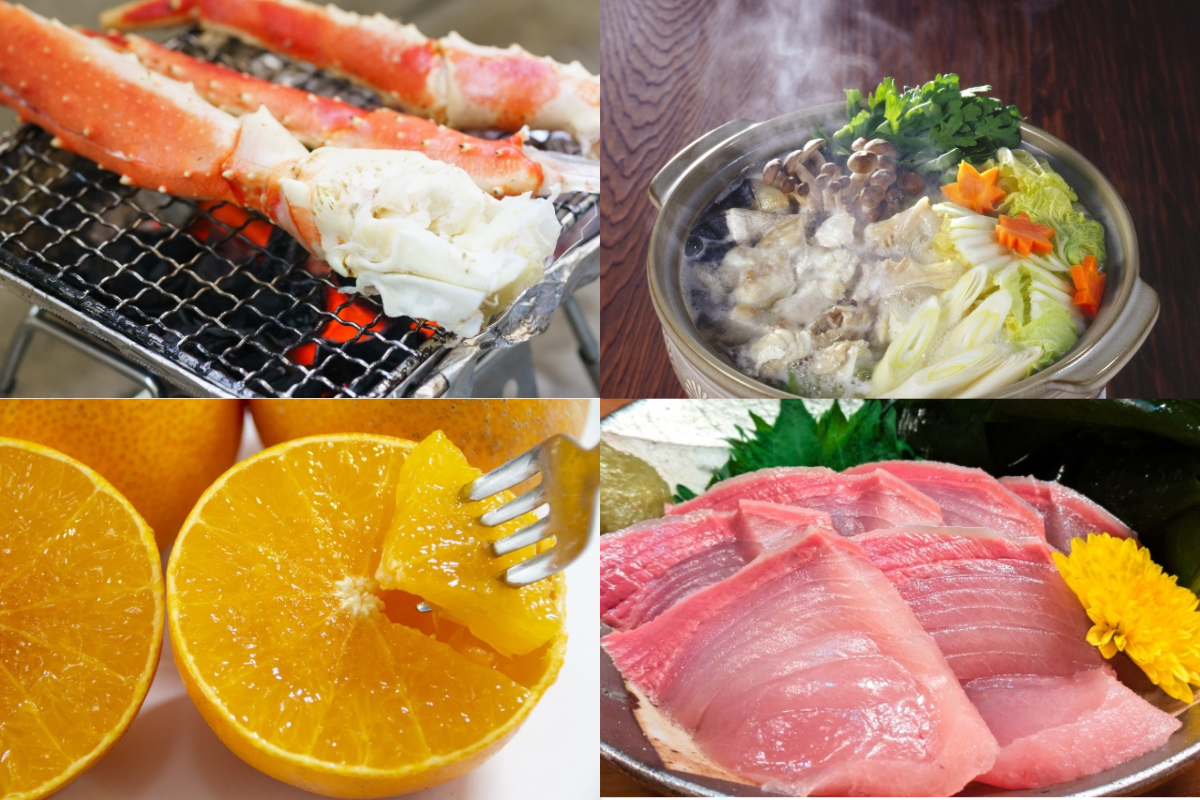
The joys of winter in Japan are not limited to snowy landscapes and illuminations. In fact, this season offers the finest “feasts” that can only be found now. As the cold intensifies, ingredients store up their rich flavors, and people gather around warm dishes to connect with each other.
By reading this article, your winter trip to Japan is sure to become an unforgettable “gourmet journey.” So, let’s embark on a quest for Japan’s winter delicacies!
Kings of the Winter Dining Table: “Nabe” and “Oden”
Here are two major pillars of Japanese winter home cooking that will warm both your body and soul.
① “Nabe Cuisine” – A Feast to Share with Everyone
On cold nights, “Nabe” (hot pot), eaten together around a single pot, is at the heart of Japanese winter communication.
- Sukiyaki: A luxurious hot pot dish where thinly sliced beef and vegetables are simmered in a sweet and savory “warishita” (sukiyaki sauce), then dipped in raw beaten egg. Perfect for special occasions or as a treat for yourself.

- Chanko Nabe: A nutritious hot pot famous for being eaten by sumo wrestlers. It contains various ingredients like meat, fish, and vegetables, making it very substantial.

- Mizutaki: A healthy hot pot originating from Fukuoka, where chicken and vegetables are simmered in a simple dashi (broth) made from kombu, then eaten with ponzu (citrus soy sauce). You can savor the pure umami of the chicken.
② “Oden” – A B-Grade Gourmet Starting from Convenience Stores
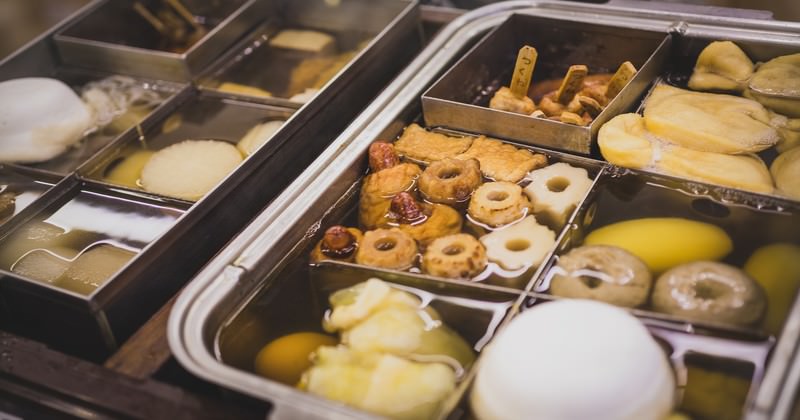
In winter, the convenience store counters in Japan are enveloped in the steam of “Oden.” This is a quintessential winter scene in Japan. Various ingredients like daikon radish, eggs, and fish cakes are slowly simmered in a delicious broth. The appeal is that you can point to what you like and buy just one piece easily. Please experience the joy of biting into hot oden on a cold night.
Ken’s recommended ingredients: Daikon (radish), Tamago (egg), Mochi-kinchaku (fried tofu pouch with mochi inside)
| Illustration | Ingredient | Description | Pronunciation |
|---|---|---|---|
 |
Daikon | The undisputed No.1 popular ingredient, fully soaked with broth | Daikon |
 |
Tamago | Hard-boiled egg slowly simmered in broth | Tamago |
 |
Mochi-iri Kinchaku | A fried tofu pouch with mochi inside | Mochi-iri Kinchaku |
 |
Gyu-suji | Beef Achilles tendon. Rich in collagen and umami | Gyu-suji |
 |
Atsu-age | Deep-fried tofu that soaks up broth well, very satisfying | Atsu-age |
 |
Ganmo | Deep-fried tofu patty with chopped vegetables | Ganmo |
 |
Chikuwa | A popular fish cake made from grilled surimi | Chikuwa |
 |
Satsuma-age | A slightly sweet fried fish cake (surimi) | Satsuma-age |
 |
Hanpen | A soft and fluffy white fish cake (surimi) | Hanpen |
 |
Shirataki | Low-calorie konjac noodles | Shirataki |
Blessings from the Sea Nurtured by the Cold: Winter Seafood
Winter, when the seawater cools, is the season when fish accumulate plenty of fat and become most delicious all year.
① “Kan-Buri” – The Fatty King

Yellowtail caught in winter is called “Kan-Buri” and boasts exceptional deliciousness. Its flesh is firm, and it’s rich in high-quality fat. Eaten as sashimi, the sweet, melting fat spreads throughout your mouth. If you see “Kan-Buri no Sashimi” at an izakaya, it’s definitely a dish you should order.
② “Kani” – Winter Luxury
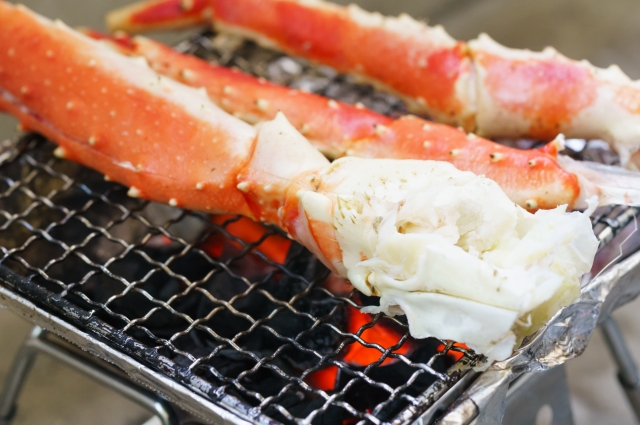
Snow crab (Zuwai-gani) and King crab (Taraba-gani) are representative high-end ingredients of Japanese winter. Staying at a hot spring ryokan and enjoying a full course of crab while gazing at a snowy landscape is the ultimate winter luxury many Japanese dream of.
③ “Fugu” – The Masterful Art of Preparation
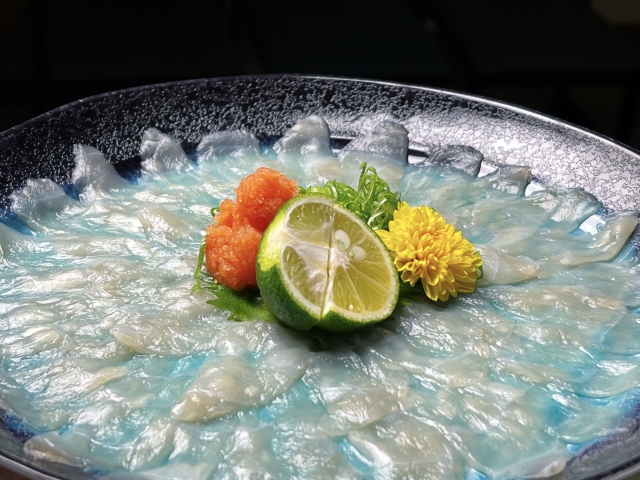
Pufferfish, a luxury fish in season during winter. It’s famous for being highly poisonous, but since only chefs with specialized licenses are legally permitted to prepare it, fugu eaten in Japan is absolutely safe. Sashimi cut as thin as paper, called “Tessa,” offers a unique texture and refined taste, making it an ultimate delicacy worth trying.
Sweet Winter Delights Found on the Streets
① The World of “Premium Citrus” – Perfect for Gifts

Winter in Japan offers more than just ordinary “mikan” (mandarins). If you visit the basement food section of a department store (known as Depa-chika), you’ll find exquisite premium citrus fruits in season, such as Ehime-grown “Beni Madonna”, which boasts a jelly-like texture and incredible sweetness. While the price might surprise you, the taste is guaranteed. It’s perfect as a treat for yourself or a gift for someone special.
② Ishiyakiimo (Baked Sweet Potato)

In the winter evening, if you hear a distinctive melody of “Ishiya~kiiimo~” (baked sweet potato) from somewhere, it’s a mobile vendor selling stone-baked sweet potatoes. Sweet potatoes slowly baked using stones are incredibly sweet, overflowing with honey. Eating a piping hot baked sweet potato outdoors on a cold day, blowing on it to cool it down, is one of Japan’s best winter experiences.
Ken’s Final Advice
When you visit Japan in winter, be sure to look for the words “Seasonal Limited” at restaurants and department store food halls. Many establishments offer special menus exclusively for this season.
Warming your body to the core also warms your heart. I hope that the delicious winter delicacies introduced here will make your trip to Japan an unforgettable memory.

Comments