
Introduction
Hello! I’m Ken, editor-in-chief of Tokyo Insider Guide.
Ramen is the ultimate soul food of Japan. Walking through Tokyo in 2026, you’ll find a new ramen shop around almost every corner. However, the world of ramen has evolved so deeply that it can no longer be described by a single word. It is a vast and complex culinary universe.
In this article, based on the latest trends of 2026, I will provide a thorough explanation ranging from the basics of the four major soups to deep genres loved by locals, ordering tips, and essential etiquette. After reading this, you’ll be able to step through the “Noren” (entrance curtain) of any ramen shop with total confidence!
1. The Basics: Understanding the “4 Major Soups”
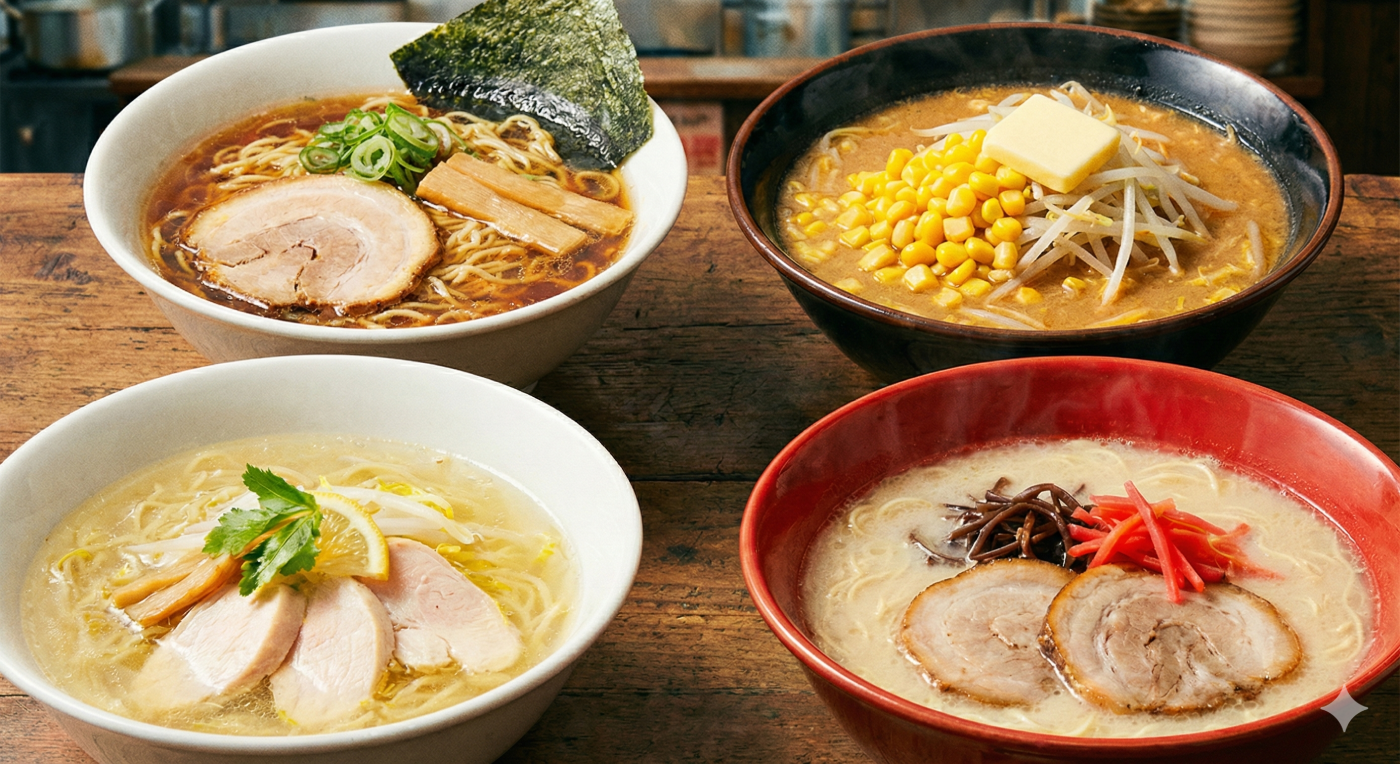
Japanese ramen is generally categorized into four fundamental flavors. Let’s look at the characteristics and background of each.
■ Shoyu (Soy Sauce) – The Timeless Standard
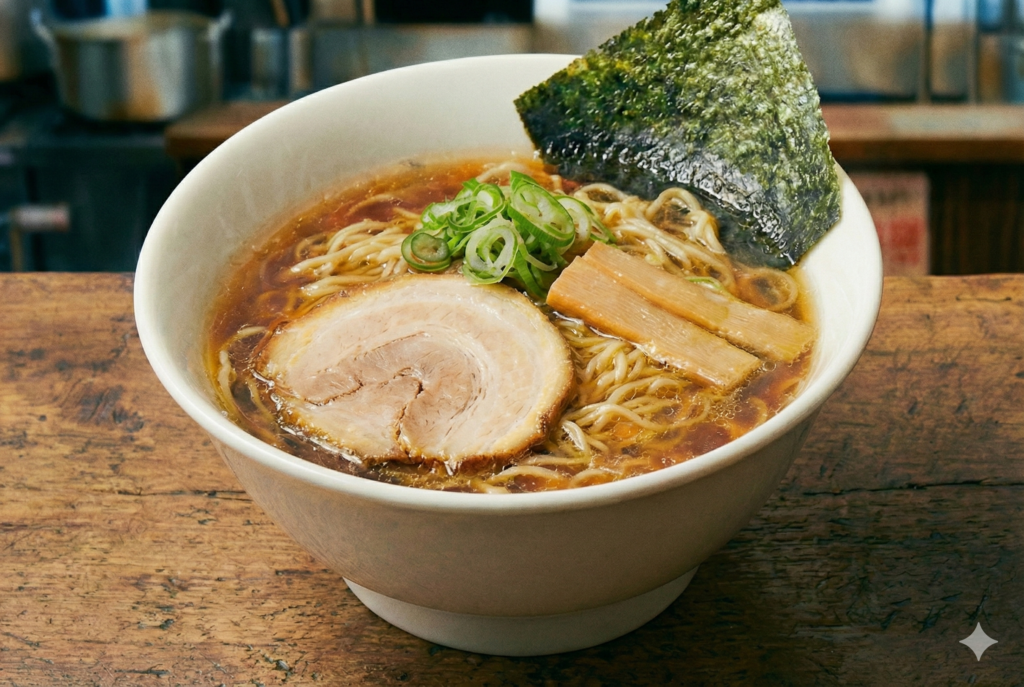
A clear, brown soup made by combining soy sauce with a broth of chicken, seafood, or vegetables. Originating in Tokyo, it is the most familiar flavor to many. It is light yet rich in “umami.”
■ Miso – Rich and Hearty Northern Flavor
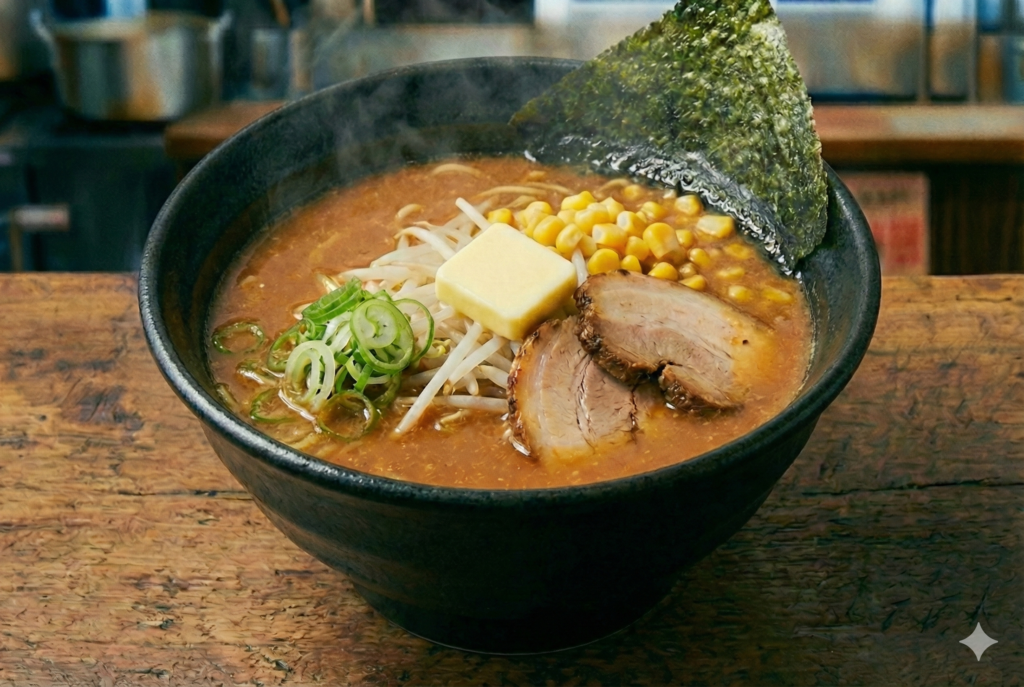
Originating in Sapporo, Hokkaido. It features the aromatic and deep richness of fermented miso paste. It is often topped with corn, butter, and stir-fried vegetables, making it particularly popular during the cold winter months.
■ Shio (Salt) – Delicate and Pure
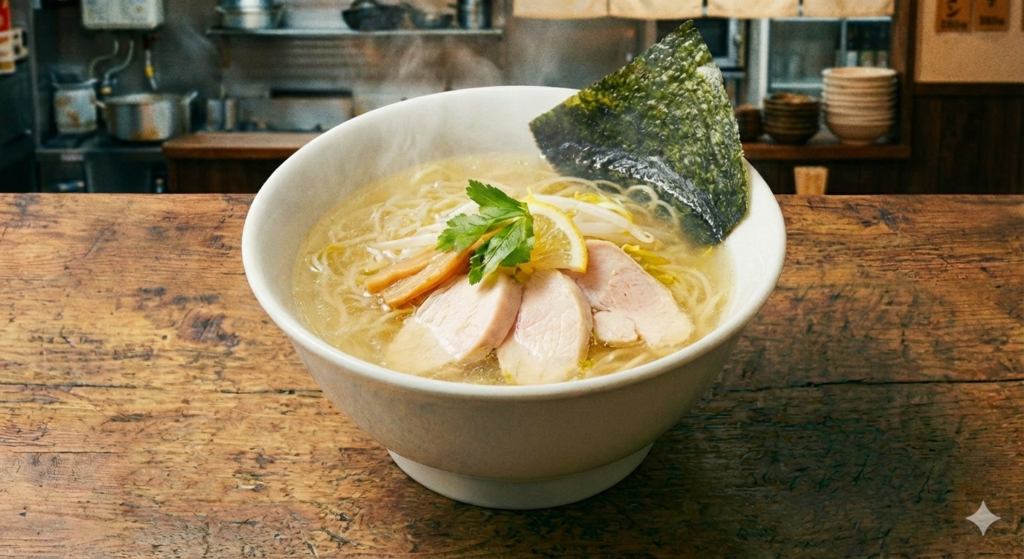
This is the oldest and simplest style of seasoning. Because it is so simple, it requires delicate technique to let the pure flavor of the dashi stock shine through. Highly recommended for those who enjoy seafood or chicken-based broths.
■ Tonkotsu (Pork Bone) – Creamy and Powerful
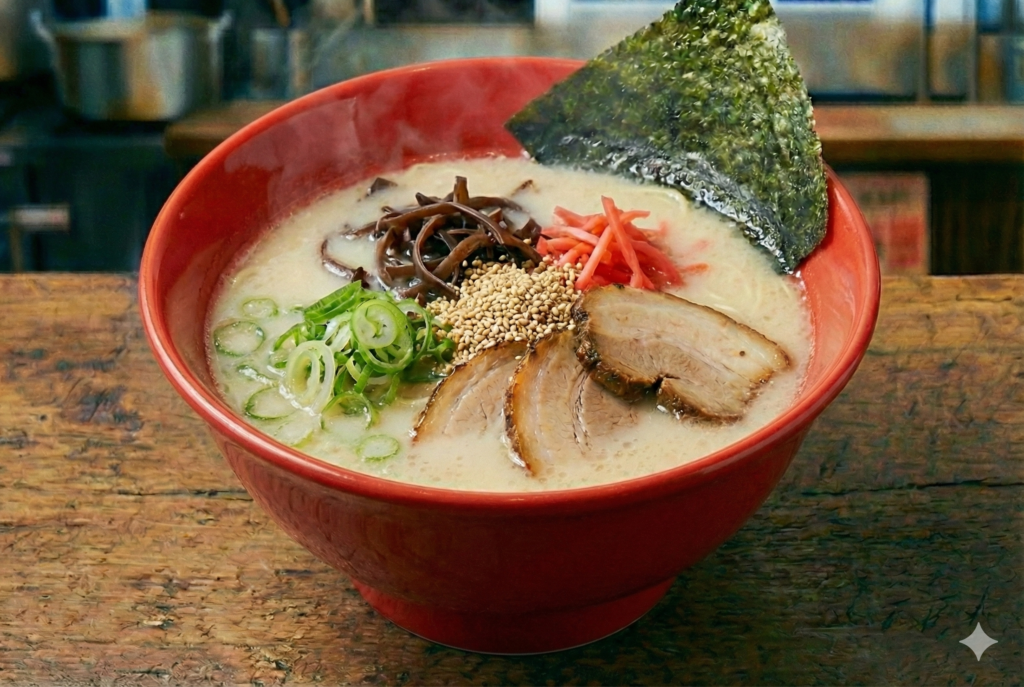
Hailing from Kyushu (Fukuoka). The broth is made by boiling pork bones for a long time, resulting in a cloudy, creamy soup. Its unique aroma and strong punch have made it one of the most famous ramen genres globally.
2. Insider Favorites: 3 Deep Genres for Real Fans
If you have already tried the “standard” ramen, these are the styles loved by Japanese locals that you simply must try.
① Tsukemen (Dipping Noodles)
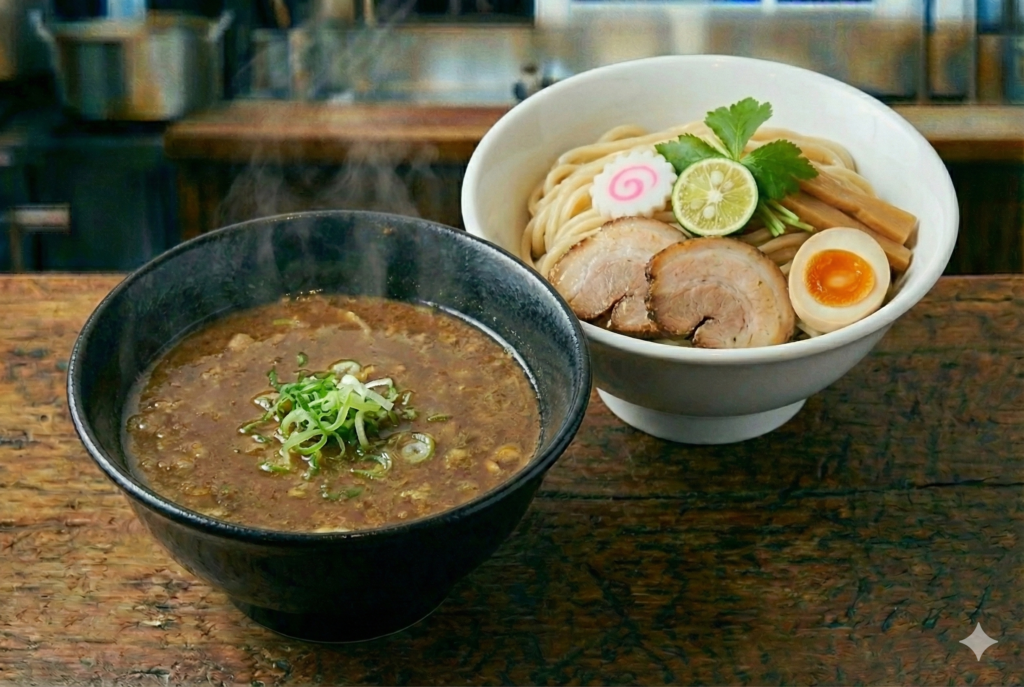
The noodles and soup are served in separate bowls. You dip the cold, chewy noodles into a hot, concentrated broth. A true pro’s move is to ask for “Soup-wari” (adding dashi to dilute the thick soup) at the end to drink it all up.
② Abura Soba / Mazesoba (Oil Noodles)
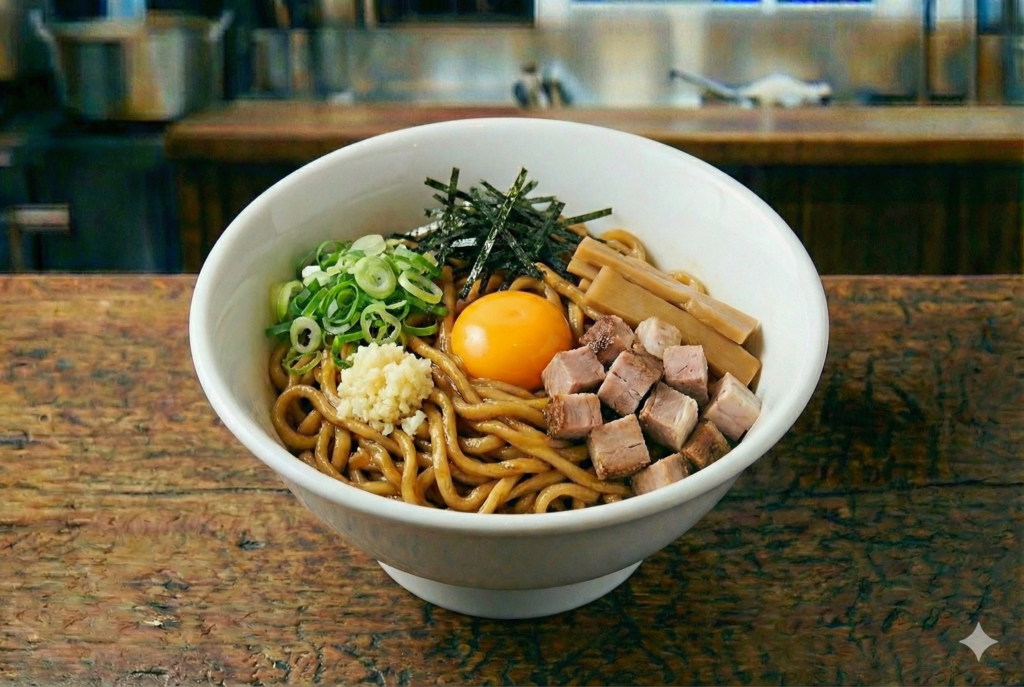
Ramen without the soup! You mix the noodles thoroughly with the sauce and oil found at the bottom of the bowl. It is standard to customize it with chili oil and vinegar. It’s incredibly addictive. Insider Tip: Order a “Small Rice” (Ko-raisu) at the end to mix with the leftover sauce!
③ Iekei Ramen (Yokohama Style)
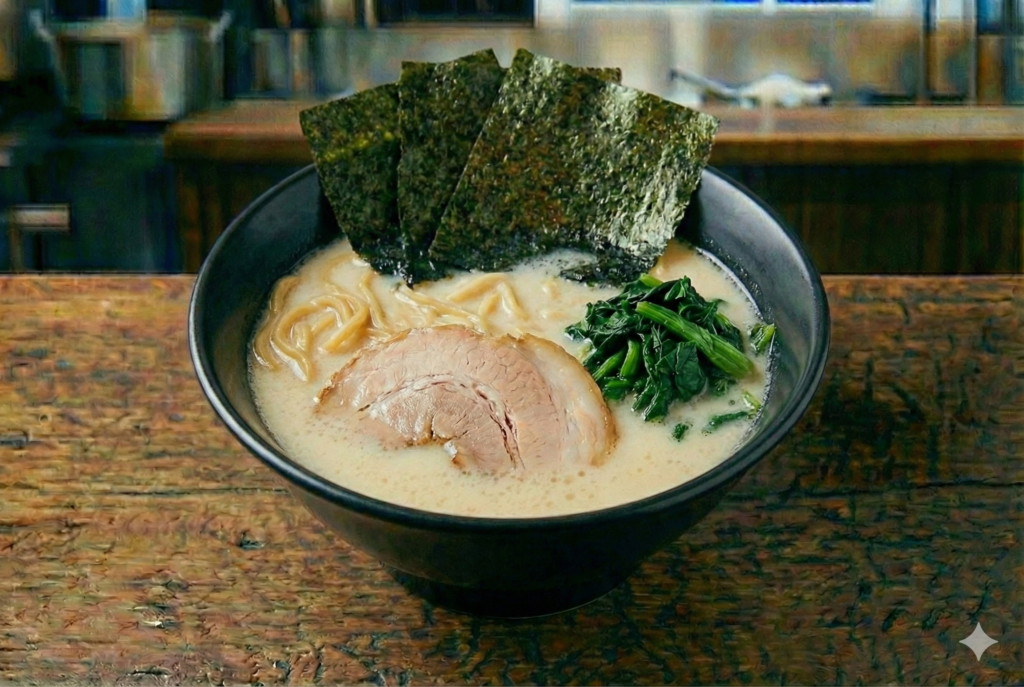
A hybrid style from Yokohama based on “Pork Bone Soy Sauce.” It is famous for its thick noodles, large sheets of nori (seaweed), and spinach. You MUST order rice with this. Wrapping the soup-soaked nori around your rice is the ultimate way to eat it!
3. Go Deeper: Unique Ramen Experiences
For those seeking a more extreme experience or have specific dietary needs, check out these articles:
- The Cult Favorite “Ramen Jiro”: Mountainous piles of vegetables, garlic, and extra-thick noodles. Master the unique ordering rules with our “Complete Guide to Ramen Jiro.”
- Inclusive Ramen for Everyone: More shops are offering options for religious or vegetarian needs. Please refer to “Selected Halal & Vegan Ramen Shops in Tokyo.”
4. Don’t Get Lost! The Ordering Process
In most ramen shops, especially specialty shops, paying in advance via a “vending machine” (shokkanki) is the norm.
- Buy your ticket: Insert money into the machine near the entrance and press the button. The top-left button is usually the shop’s “recommendation.”
- State your preference: When handing your ticket to the staff (especially at Iekei shops), they may ask for “Noodle firmness, Flavor strength, and Oil amount.” If it’s your first time, just say “Zenbu Futsu” (Everything normal)!
- Extra Noodles (Kaedama): In Tonkotsu shops, you can order a refill of just the noodles. Say “Kaedama, onegaishimasu!” while you still have soup left in your bowl.
5. Etiquette for the Best Ramen Experience
- Slurping is welcome!: In Japan, it is standard to make a “slurping” sound when eating noodles. By taking in air with the noodles, the aroma of the soup is enhanced.
- Concentrate and eat while it’s hot: It is polite to eat before the noodles get soggy. Once finished, it’s cool etiquette to vacate your seat for the next customer rather than lingering on your phone.
Ken’s Final Advice
While famous shops with long lines are great, my personal favorite is experimenting with the “garlic,” “doubanjiang” (chili paste), or “vinegar” placed on the counter. Finding your own “Golden Ratio” of seasonings is the true joy of a ramen quest. I hope you find your own ultimate bowl!
Summary
Japanese ramen is more than just a meal—it’s entertainment. From the standard Shoyu to the overwhelming volume of Jiro and the inclusive Halal options. Let this article be your guide to finding the best ramen of your life!

Comments