
Introduction
Hello! I’m Ken, editor-in-chief of Tokyo Insider Guide.
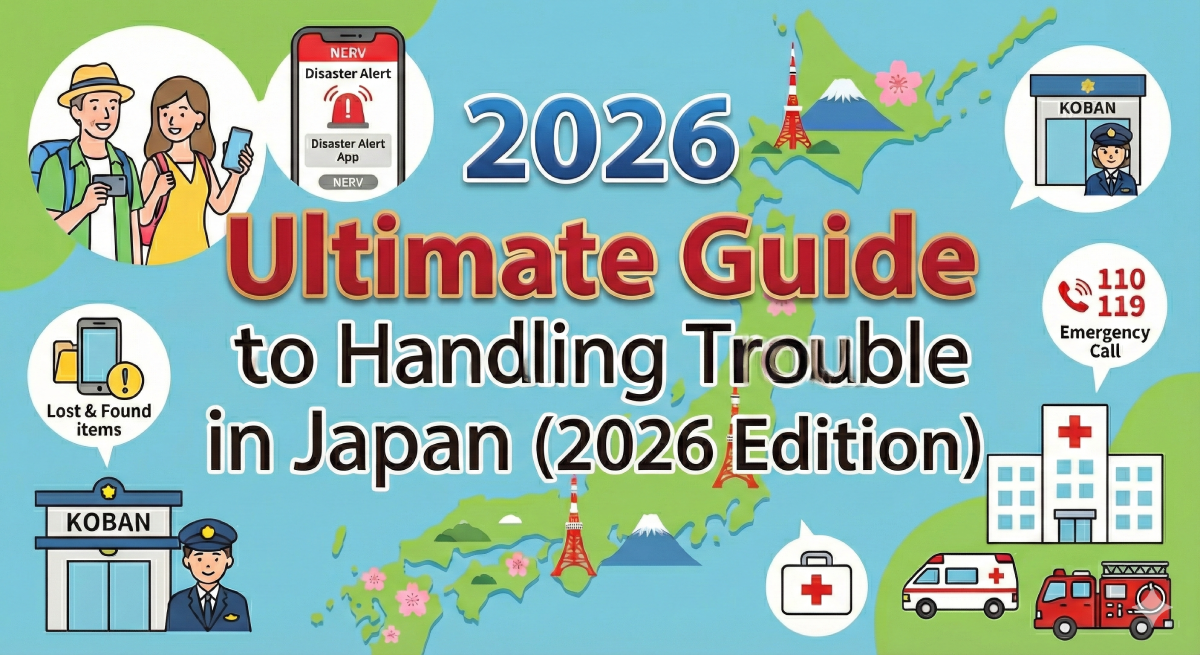
Japan is world-renowned for being safe, but troubles can still happen during travel. “I left my wallet on the train!” “What if an earthquake hits?” “I have a fever in the middle of the night…” In these moments, being able to handle the situation smartly without panicking determines the quality of your trip.
In 2026, technology has made solving these troubles even more convenient. In this article, I’ll share all the “Essential Safety Knowledge” I’ve gathered from living here in Japan.
Ken’s TIP: Trying to research things *after* trouble hits is stressful. I highly recommend downloading the disaster prevention apps I mentioned in my “Essential Apps for Japan Travel” article right now!
1. How to Handle Lost Items (Wasuremono)
The rumor that “lost items always return in Japan” is about 50% true. If you follow these steps, your chances of finding them skyrocket.
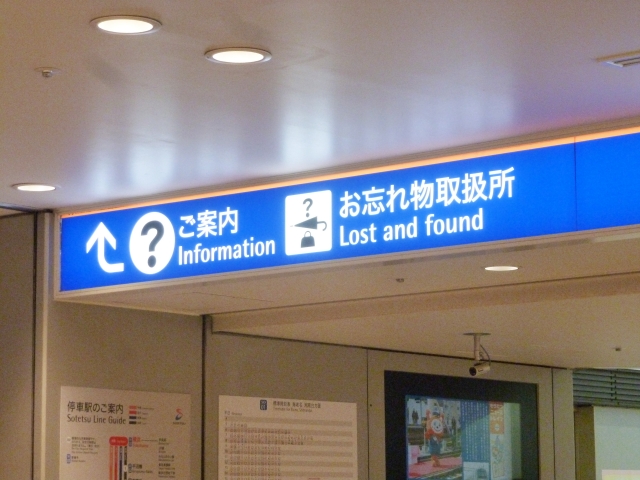
- Lost on a Train or at a Station: Inform the nearest station staff immediately. Japanese railways have near-perfect management; your item will likely be registered in their database within a few hours.
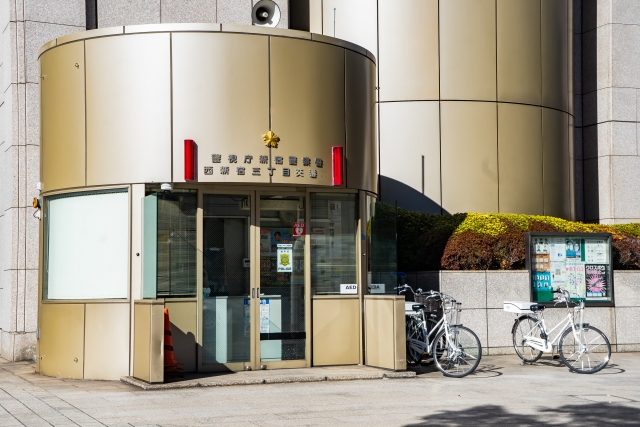
- Lost in the City: Head to the nearest “KOBAN” (Police Box). These are small neighborhood police stations, and the officers are generally very helpful and kind.
- Lost Smartphone: While “Find My Device” (Google/Apple) is useful, make sure to get a “Lost Property Report Number” from the police. You will absolutely need this for any insurance claims later.
2. Preparedness for Earthquakes & Natural Disasters
Here are the “Self-Protection Actions” we locals perform routinely. Memorize these!
- The Ultimate Disaster App “NERV”: As of 2026, this is the app locals trust the most. It provides accurate notifications seconds before an earthquake hits.



- Emergency Free Wi-Fi “00000JAPAN”: This is a public Wi-Fi SSID opened for free during major disasters. If cellular service drops, look for this in your settings.
- Evacuation Basics: If outdoors, watch for falling signs and head to a wide park or a strong building. If indoors, the ironclad rule is “Protect your head and get under a desk.”
3. Emergency Contact Numbers (110 and 119)
While there is no tipping culture in Japan, you should make a habit of remembering these numbers.
| Number | Service | Example Situations |
|---|---|---|
| 110 | Police | Incidents, accidents, theft, altercations |
| 119 | Fire / Ambulance | Fire, sudden illness, serious injury |
| #7119 | Medical Advice | When unsure if you should call an ambulance |
Ken’s Point: Many operators speak English, but if you have trouble being understood, clearly say “English, please.” They will connect you to a professional interpreter.
4. Sudden Illness or Injury (Finding Medical Help)
Guides for when you feel unwell during the night or on public holidays.
- Japan Visitor Hotline: Operated by JNTO, this 24-hour hotline provides support and can introduce you to medical facilities.
Phone: 050-3816-2787 - Tokyo Medical Info “Himawari”: Within Tokyo, you can easily search for doctors who speak English online.
Phone: 03-5285-8181
※Supports English, Chinese, Korean, Thai, and Spanish.
Ken’s Final Advice
- Travel Insurance is “Mandatory”! Medical expenses in Japan can be extremely high if you are not insured. Buy peace of mind for a few thousand yen, even for a one-week stay.
- Carry a Power Bank: A smartphone is indispensable for solving troubles. It’s also wise to learn how to use city-wide rental chargers (like ChargeSPOT).
Summary
Being prepared means having no worries. Just knowing these measures will cut your travel anxiety in half. Enjoy 2026 Japan safely and to the absolute fullest!


Comments