
Introduction
Hello! I’m Ken, editor-in-chief of Tokyo Insider Guide.
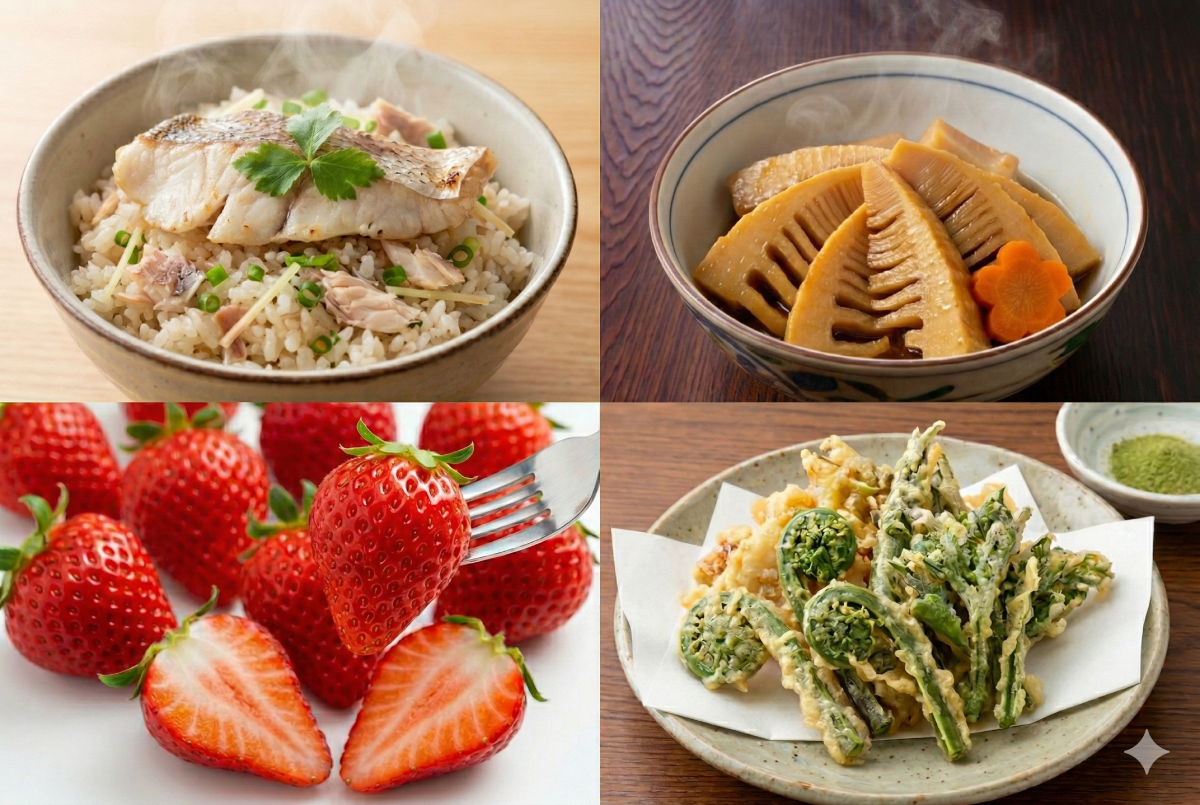
Spring 2026 is finally here! While cherry blossoms are the main attraction of a Japanese spring, the true highlight for foodies is the abundance of fresh, vibrant ingredients that sprout after the long winter. During this season, Japanese dining tables overflow with spring colors and unique “bitterness” and “aroma.”
In this guide, I’ve picked five essential flavors you absolutely shouldn’t miss when visiting Tokyo or Japan in spring. I’ve also included a list of top seasonal ingredients to look for at restaurants and markets at the end of the article, so use it to plan your gourmet journey!
Ken’s TIP: In Japan, there is an old saying: “Serve bitterness on a spring plate.” The unique bitterness found in spring ingredients like wild vegetables (Sansai) is said to have a detoxifying effect that “wakes up” the body after its winter slumber. It’s a sophisticated, adult flavor, but I highly recommend trying it in tempura form!
【Ken’s Choice】 5 Flavors to Savor in Spring 2026
1. 【King of the Spring Sea】 Sakuradai (Cherry Bream)
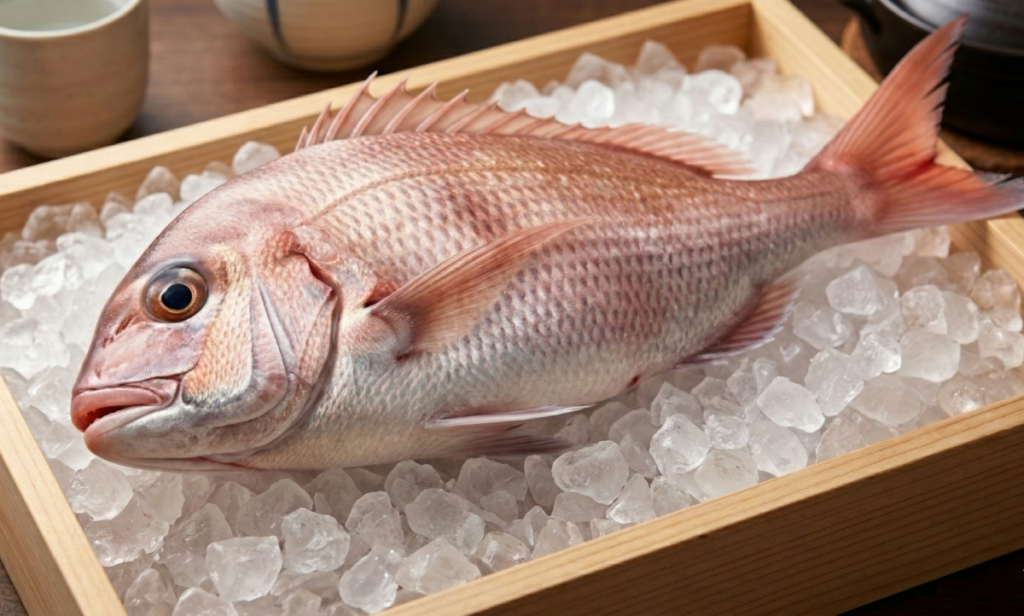
- Summary: “Sakuradai” refers to red sea bream caught during the spawning season when their scales turn a beautiful cherry blossom pink. Rich in fat and flavor, it is a celebratory fish that symbolizes spring in Japan.
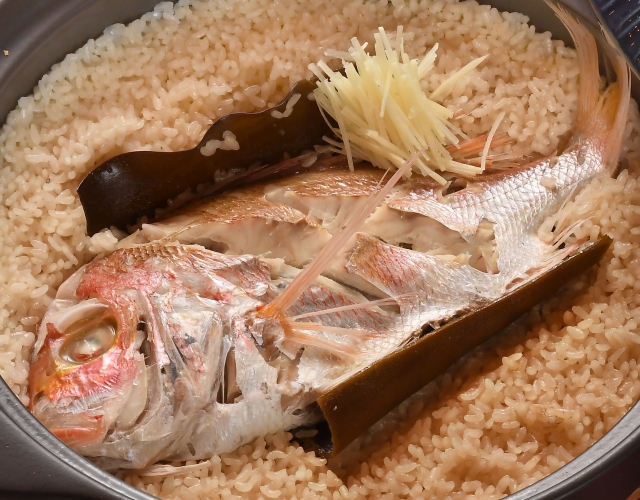
- Ken’s Point: While sashimi is excellent, my top recommendation is “Tai-meshi” (Bream Rice), where the fish is cooked together with rice. The elegant aroma of the dashi broth truly signals the arrival of spring. If you see it as a “seasonal special” at a washoku restaurant or Izakaya, be sure to order it.
2. 【Energy of the Earth】 Takenoko (Bamboo Shoots)
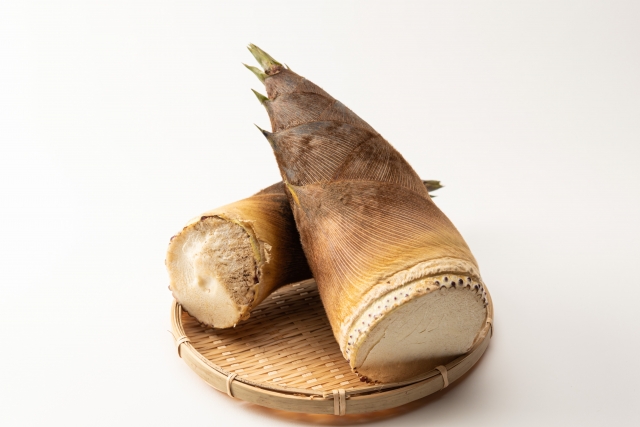
- Summary: Bamboo shoots grow incredibly fast, meaning their peak flavor lasts only a few days—the ultimate “seasonal” ingredient. Freshly harvested shoots have a wonderful fragrance and a unique, crunchy texture.
- Ken’s Point: You must try the classic “Wakatakeni” (Simmered Bamboo and Seaweed). It’s a dish that pairs bamboo with seaweed (Wakame), another spring specialty. In Japan, these two are called “Deaimono” (a perfect match). It’s often served with the refreshing scent of Kinome (young prickly ash leaves).
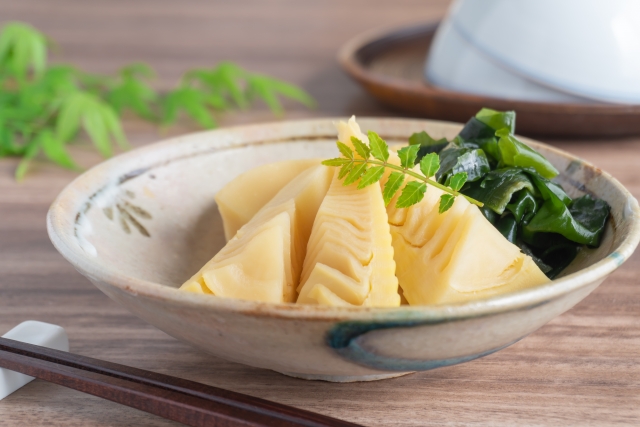
3. 【The Bittersweet Herald of Spring】 Sansai (Wild Vegetable) Tempura
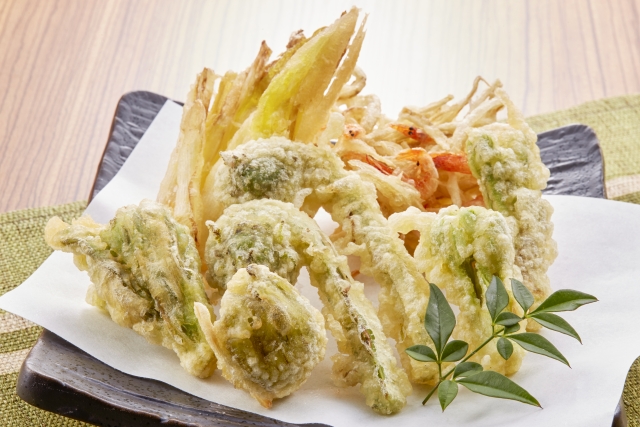
- Summary: Wild plants harvested from the mountains, such as “Fukinoto” (butterbur buds), “Tara-no-me” (angelica tree shoots), and “Kogomi” (ostrich fern). Their intense aroma and slight bitterness are perfectly captured when fried in tempura batter.
- Ken’s Point: During this season, these always appear as “Seasonal Tempura” at soba shops. The mountain fragrance that spreads the moment you bite into the crispy batter is addictive. I recommend enjoying them simply with a pinch of salt.
4. 【Aesthetics of Sakura】 Sakuramochi
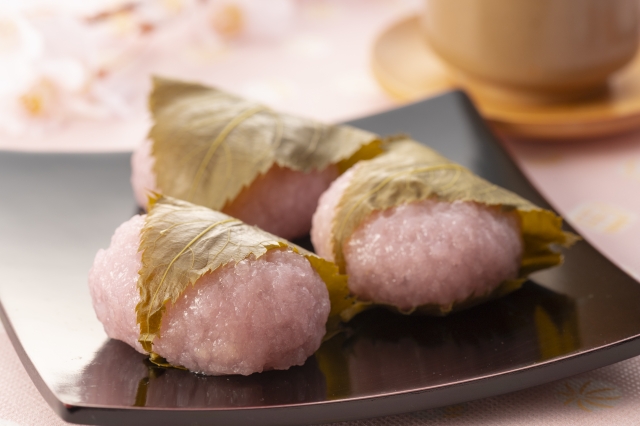
- Summary: A traditional pink rice cake filled with sweet bean paste and wrapped in a real, pickled cherry blossom leaf. There are two styles: Kanto (crepe-like) and Kansai (grainy texture), and you can find both in Tokyo.
- Ken’s Point: People often ask if they should eat the leaf. The answer is “it’s up to you,” but the saltiness of the leaf balances the sweetness of the bean paste perfectly, so I love eating them together. It’s the ultimate snack to take along for a hanami picnic.
5. 【Red Jewels】 Strawberries (Tasting & Comparison)

- Summary: Japanese strawberries are world-renowned for their sweetness and quality. From March to May, many varieties reach their peak, offering the largest and sweetest berries of the year.
- Ken’s Point: Luxury “Strawberry Buffets” held at hotels in Tokyo are so popular they require booking weeks in advance. For a more hands-on experience, taking a short trip to Chiba or Saitama for “Strawberry Picking” (Ichigo-gari) is a favorite spring activity for locals.
Major Spring Ingredients & Dishes List
If you see these on a restaurant menu, don’t hesitate to give them a try!
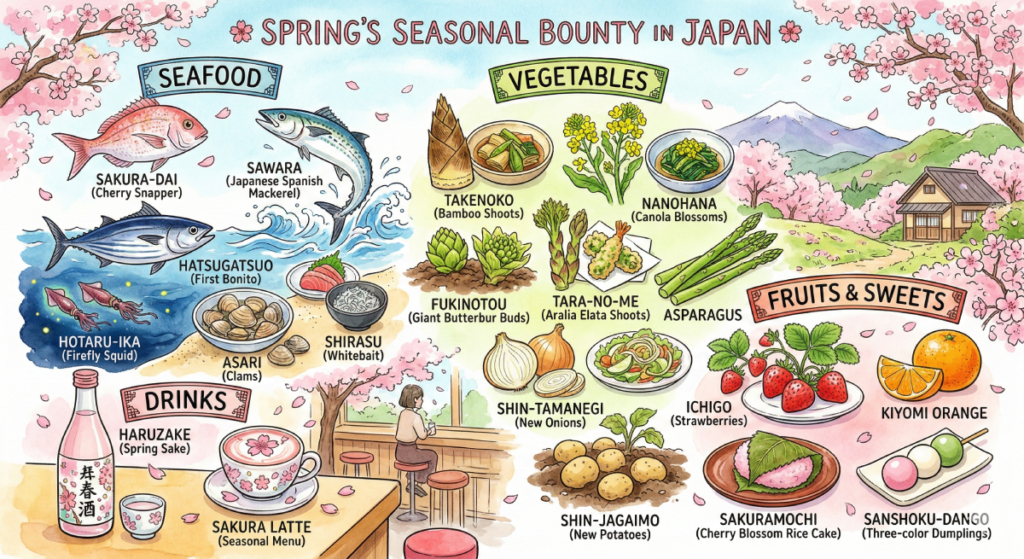
- Seafood: Sakuradai, Sawara (Spanish Mackerel), Hatsugatsuo (Early Bonito), Hotaru-ika (Firefly Squid), Asari (Clams), Shirasu (Whitebait)
- Vegetables: Takenoko, Nanohana (Rapeseed blossoms), Fukinoto, Tara-no-me, Asparagus, Shin-tamaneghi (New Onions), Shin-jaga (New Potatoes)
- Fruit & Sweets: Strawberries, Kiyomi Oranges, Sakuramochi, Sanshoku Dango (Three-colored Dumplings)
- Drinks: Haruzake (Spring Sake), Sakura Latte (Seasonal cafe specials)
Final Advice from Ken
- “Depachika” are Spring Showrooms: To see all the seasonal flavors at once, head to a department store food hall (Depachika) in Shinjuku or Ginza. The spring-limited bento boxes and wagashi displays are a joy just to look at.
- Don’t Miss Firefly Squid Season: Hotaru-ika (Firefly Squid) only appear in Tokyo from March to May. Eating them with vinegared miso (Sumiso) is a must for sake lovers.
- Convenience Store Spring Limiteds: For a quick taste of spring, visit a convenience store! You’ll find plenty of “Sakura-flavored” sweets, drinks, and beer with beautiful spring labels.
Summary
Spring in Japan is a season to experience “rebirth” and “joy” through all five senses. It’s easy to be captivated by the beauty of the cherry blossoms, but please make sure to savor the “tastes of spring” as well. Filling your stomach with these seasonal delights will make your trip to Japan even more memorable. Wishing you a delicious spring journey!

Comments