
Introduction
Hello! I’m Ken, editor-in-chief of Tokyo Insider Guide.
Congratulations on your first trip to Japan! Welcome to Tokyo, one of the most exciting cities in the world. Tokyo is a fascinating place where traditional shrines, futuristic skyscrapers, and unique pop culture coexist. However, its complexity can often feel overwhelming for first-time visitors.
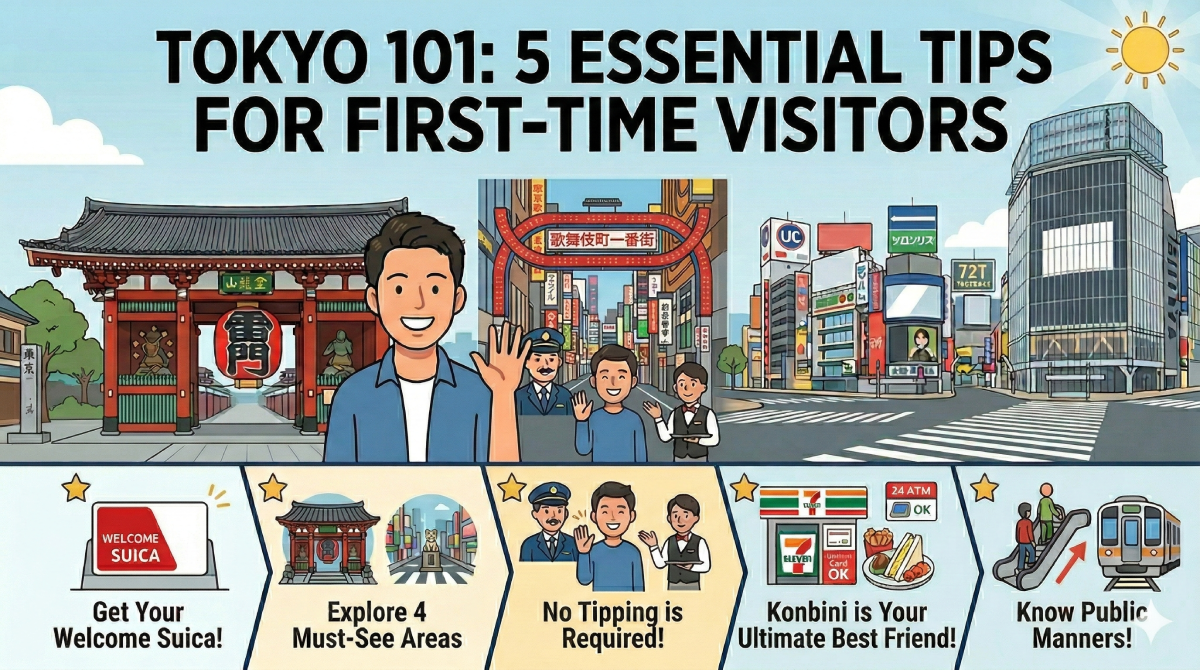
In this guide, I’ve narrowed down five essential points that many travelers have told me they “wish they had known sooner.” By the time you finish reading, you’ll be ready to start your journey not just as a tourist, but as a smart “Tokyo Expert.”
Ken’s TIP: The most important things for exploring Tokyo are Google Maps and a portable power bank. Tokyo’s subway system is a maze, but Google Maps will navigate you through it perfectly. Running out of battery is a critical mistake, so always carry a portable charger!
【Tokyo 101】 5 Key Points for Your First Visit
1. Get a “Welcome Suica” – Your Best Friend for Trains
Trains and subways are the main way to get around Tokyo. Buying a ticket every time is a waste of time, so you should use a rechargeable IC card.
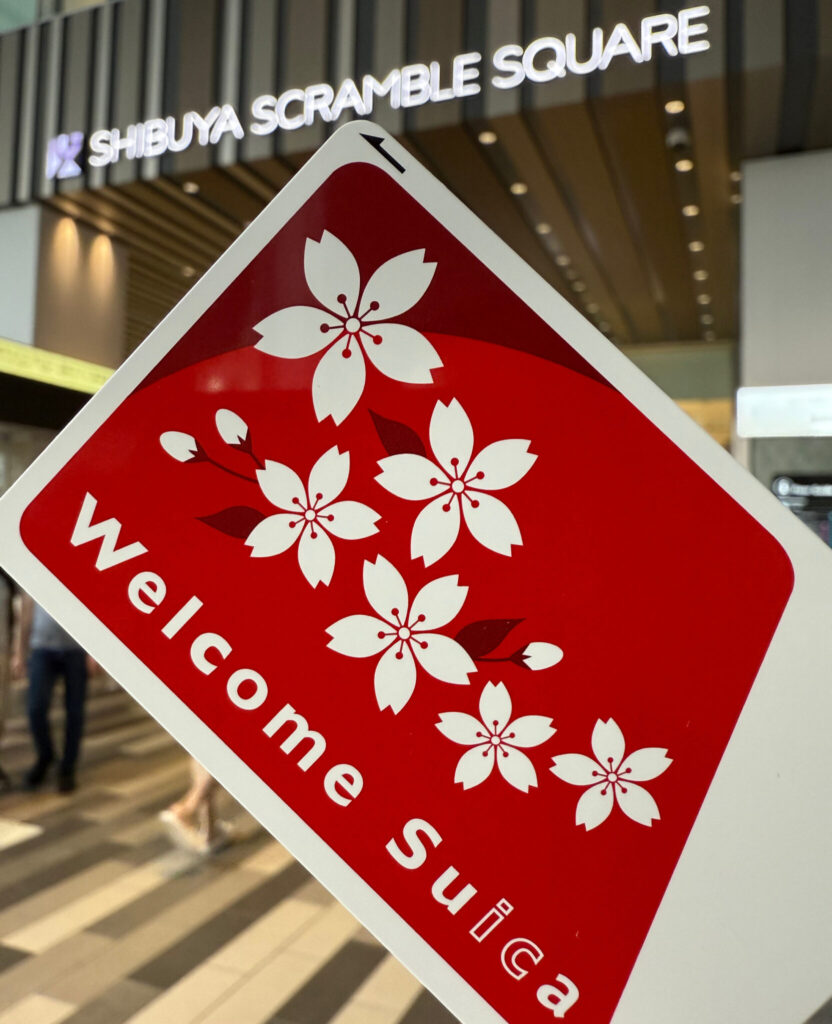
- The Most Reliable Way (Physical Card): When you arrive at the airport (Narita or Haneda), purchase the red “Welcome Suica” card at the station’s vending machines. It is designed specifically for tourists, requiring no deposit or issuance fee. This single card works for almost all trains in Japan and can be used for payments at convenience stores.
- Options for iPhone Users: If you use an iPhone, you can download the Welcome Suica Mobile App. You can also add a Suica card directly to your Apple Wallet and pay via Apple Pay. While it saves you from carrying a physical card, some credit cards (especially Visa) may fail to charge, so it’s best to keep this as a secondary option.
- Ken’s Point: Android devices purchased outside of Japan usually do not support the “FeliCa” technology required for Japanese mobile payments. Android users should definitely choose the physical card!
Related Articles:

2. The “Big 4” Must-Visit Areas
To experience the many faces of Tokyo, start by exploring these four iconic hubs.
- Asakusa (History & Tradition): Home to Senso-ji, Tokyo’s oldest temple. This area offers the best atmosphere of “Old Edo” Tokyo.
- Shibuya (Modern & Youth Culture): The center of Tokyo’s trends, famous for the Scramble Crossing and the Hachiko statue.
- Shinjuku (Night Views & Chaos): The world’s busiest station. Don’t miss the neon lights of Kabukicho or the stunning night views from the Tokyo Metropolitan Government Building.
- Akihabara (Subculture & Electronics): The “Holy Land” for anime, gaming, and maid cafes, as well as endless electronics shops.
- Ken’s Point: Visiting just these four spots covers everything from Tokyo’s history to its latest pop culture. Pro tip: Master the JR Yamanote Line and the Ginza Subway Line to travel between them easily.
3. There is No Tipping Culture
- Overview: Japan does not have a tipping culture. Tipping is unnecessary at restaurants, in taxis, or at hotels.
- Ken’s Point: If you leave money behind thinking you are giving a tip, staff might actually chase after you to return it! A simple smile and saying “Arigato” (Thank you) is the best tip you can give in Japan.
Related Articles:
4. “Konbini” (Convenience Stores) are Your Best Allies
- Overview: 7-Eleven, Lawson, and FamilyMart. The quality of Japanese convenience stores is exceptionally high.
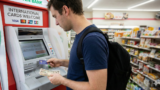
- Ken’s Point: They offer 24-hour ATMs (supporting international cards), delicious hot snacks, and clean restrooms. If you’re ever in a pinch, head to a konbini. The onigiri (rice balls) and egg sandwiches are world-famous for a reason!
Related Articles:
-160x90.jpg)
5. Essential Public Etiquette
- Escalators: In Tokyo, the unwritten rule is to stand on the left and leave the right side open for people in a hurry.
- On Trains: Talking on the phone is strictly prohibited. Keep your conversation volume low. In crowded trains, it is polite to wear your backpack on your front.
- Trash Cans: You will rarely find public trash cans on the street. Plastic bottles should go in the recycling bins next to vending machines. For other trash, the basic rule is to take it back to your hotel.
Related Articles:
Quick Checklist for First-Timers
- You Still Need Cash: While many places accept cards, old shrines, temples, and small family-run restaurants may only take cash. It’s safe to keep about 10,000 to 20,000 yen on you at all times.
- Taking Off Your Shoes: You will often need to remove your shoes inside temples, shrines, or traditional restaurants. Be sure to wear clean socks without holes!
- Drinking Water: Tap water in Japan is safe to drink directly. It is very clean and tastes great.
Related Articles:
Tips to Make a Difference
Finally, here are some articles that will help you stay convenient and handle emergencies with peace of mind during your trip.

Summary
Tokyo is a magical city that gets more interesting the more you know about it. You might feel a bit lost at first, but Japanese people are very kind. If you look troubled, someone will likely offer to help. Use this guide to create your own special memories in Tokyo. Have a wonderful trip!

Comments