
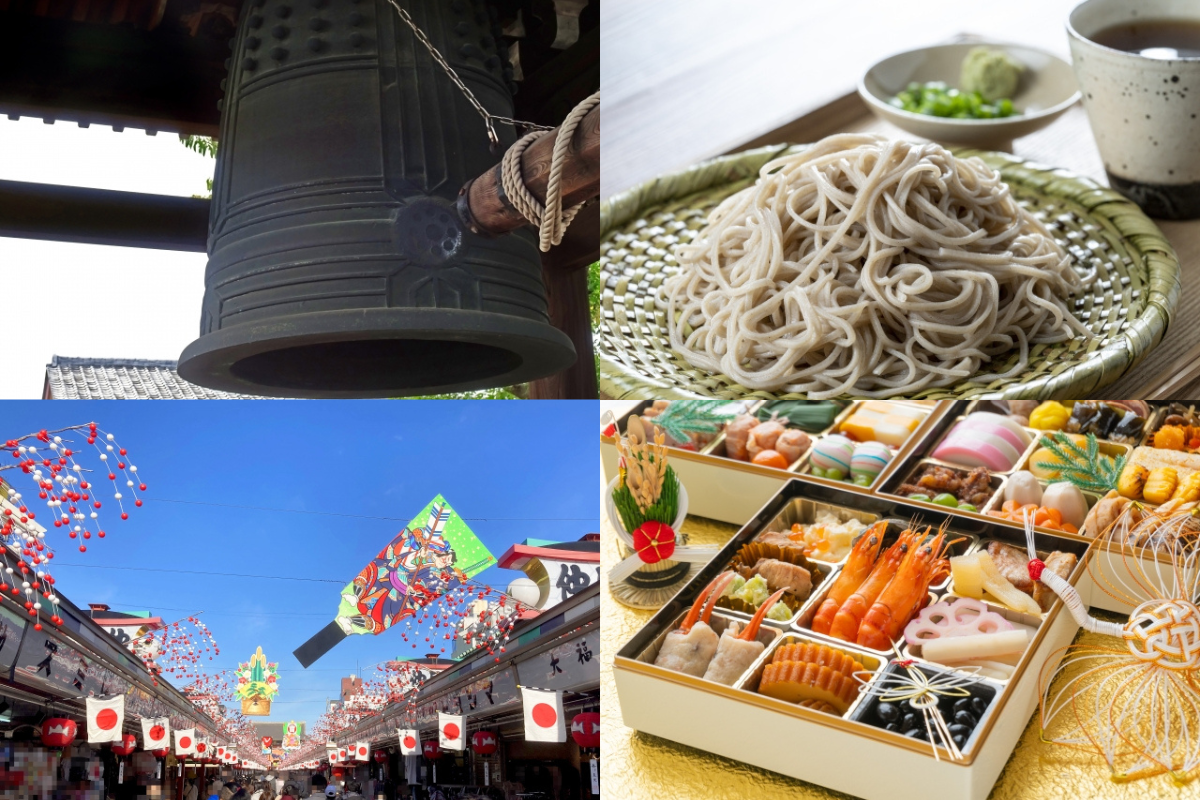
Introduction: Welcome to Japan’s New Year, A Time of Silence and Rebirth
Hello! This is Ken, editor-in-chief of Tokyo Insider Guide.
“Tokyo during the New Year’s holiday is quiet, with many shops closed”… You might find this written in many guidebooks. However, that very tranquility is the gateway to the most important and spiritual time of the year for Japanese people.
It’s a time of “preparation” to send off the old year and welcome the new one. By reading this article, you’ll be able to deeply experience this special period, not just as a tourist, but as if you were a part of a Japanese family.
【December 31st: Ōmisoka (New Year’s Eve)】Gratitude and Farewell to the Old Year
On New Year’s Eve in Japan, it’s customary to spend time quietly at home with family. Travelers also have several ways to experience this culture.
① Meal: Toshikoshi Soba (Year-Crossing Noodles)
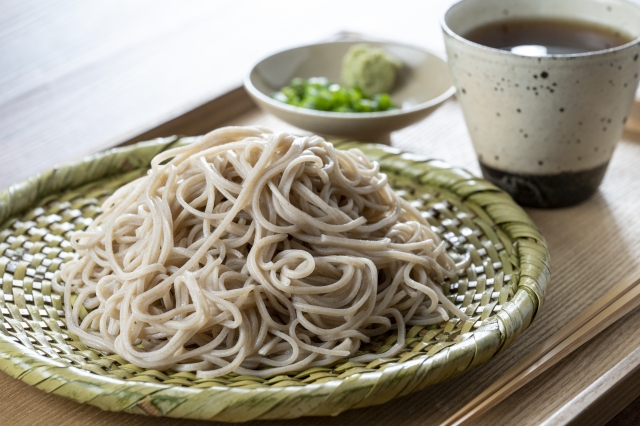
“Toshikoshi Soba”, eaten at the end of the year, carries the wish for a long and healthy life, like the long, thin noodles. Many soba restaurants offer special menus on this day, and you can easily experience it at stand-up soba shops as well.
②【Highlight】Midnight: Joya no Kane (New Year’s Eve Bell)
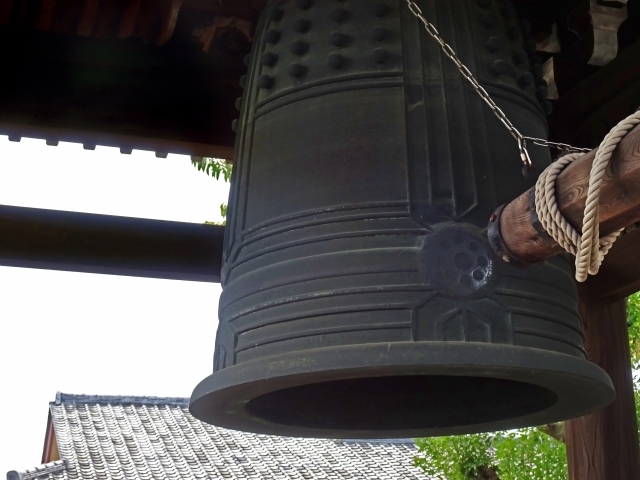
Around midnight on New Year’s Eve, bells are rung 108 times at temples across the country. This is a sacred Buddhist ritual to cleanse the 108 worldly desires (bonnō) that humans possess, one by one, with the sound of the bell.
Famous Spots: Zojoji Temple, where the bell rings with Tokyo Tower in the background, and Sensoji Temple in Asakusa are very famous and attract large crowds.
Insider Advice: Actually, you can experience Joya no Kane at many local temples as well. If you want to avoid crowds and enjoy a more solemn atmosphere, try searching Google Maps for:
| “Your Accommodation Area Name + Joya no Kane” |
You might discover an unexpectedly wonderful encounter.
【January 1st to 3rd: Sangajitsu】Prayers for the New Year
The first three days of the New Year are called “Sangajitsu” and hold special significance.
①【Highlight】Hatsumōde (First Shrine/Temple Visit of the Year)
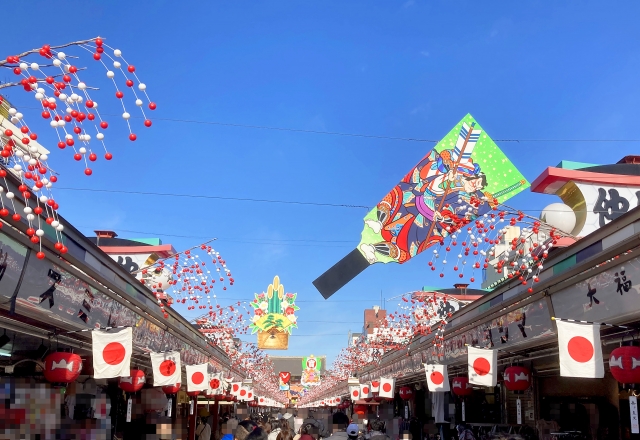
Hatsumōde is Japan’s most important New Year’s custom, where people visit a shrine or temple for the first time in the new year to pray for health and good fortune.
Super Classic Spots: Meiji Jingu Shrine (Tokyo’s most visited) and Sensoji Temple are extremely famous. They are incredibly crowded, but that bustling energy itself is a New Year’s specialty of Japan.
Popular Shrines Loved by Locals (Slightly Lesser-Known Gems):
- Tokyo Daijingu Shrine: This shrine is immensely popular, especially among young women, for its blessings in “matchmaking.”
- Kanda Myojin Shrine: Located near Akihabara, it’s known for “business prosperity” and unique “IT guardian” charms. It often collaborates with anime, making it an interesting shrine where tradition and modernity merge.
When you visit for Hatsumōde, toss a coin into the offering box, make a wish, and try drawing an “Omikuji” (fortune slip) to see your luck for the new year.
② Meals: Osechi Ryori and Ozoni
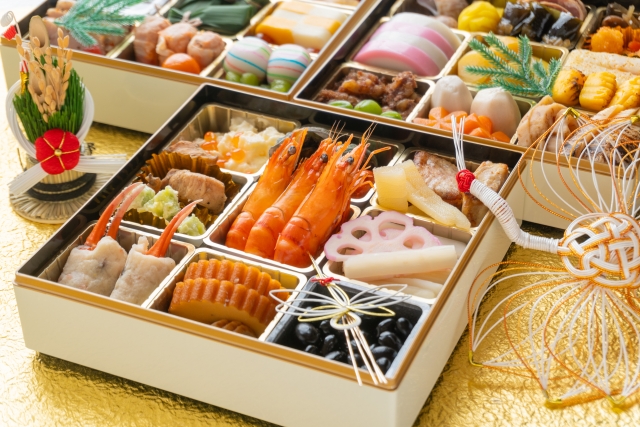
During the New Year, people eat special dishes called “Osechi Ryori”. Each dish packed in a stacked box has an auspicious meaning, such as “shrimp = longevity” or “herring roe = prosperity of descendants.” Recently, single-serving “Osechi sets” can be easily bought at department store food halls (depachika) or convenience stores, making it a great experience to try in your hotel room.
Insider Advice from Ken
- ① Transportation: From New Year’s Eve to the morning of New Year’s Day, many railway companies operate trains all night. You can rest assured that trains will be running all night for Hatsumōde and Joya no Kane.
- ② ATMs and Money: From January 1st to 3rd, bank ATMs may be suspended or have reduced operating hours. It’s advisable to have a little extra cash prepared by December 30th.
- ③ Reservations are Essential: If you want to have a special meal at a restaurant during the New Year’s holiday, reservations are absolutely necessary. Popular restaurants get fully booked months in advance.
Conclusion: A Perfect Start to the New Year in Tokyo
In the quiet streets of Tokyo, where many shops are closed, listening to the solemn sound of bells and joining the lines of people praying for happiness in the new year. This experience will touch the heart of Japan more deeply than any flashy sightseeing.
With this guide in hand, create your own special New Year’s holiday memories. Happy New Year!


Comments