
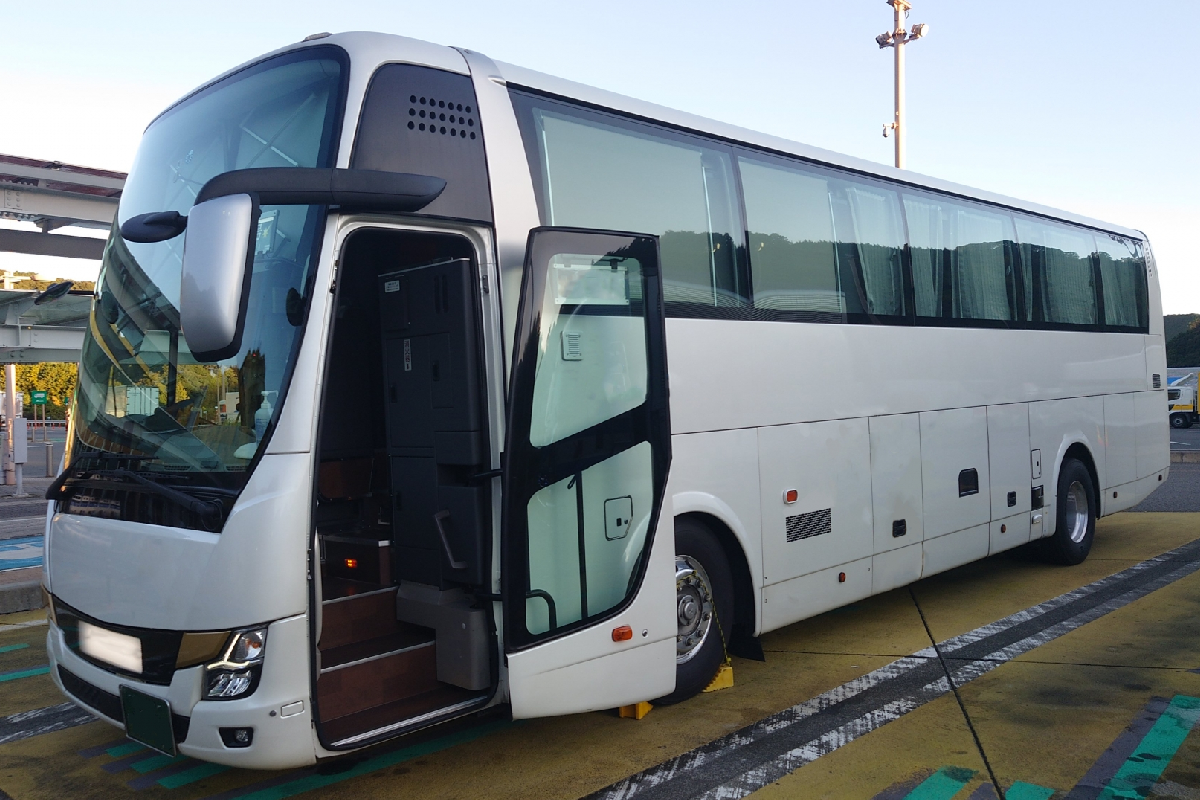
- Budget Highway Bus Guide to Rural Japan: Smart Travel from Shinjuku Bus Terminal (Busta Shinjuku)
- 1. Why Choose Highway Buses? A Thorough Explanation of Pros and Cons
- 2. What is Busta Shinjuku? Essential Information to Know
- 3. Types of Highway Buses and How to Choose: What’s Best for Your Trip?
- 4. [Important] How to Book and a Thorough Comparison of Booking Sites
- 5. Packing List for a Comfortable Bus Trip & Ken’s Insider Tips
- 6. Main Destinations and Estimated Travel Times from Busta Shinjuku (Examples)
- Conclusion: Discover New Charms of Japan with Highway Buses!
Budget Highway Bus Guide to Rural Japan: Smart Travel from Shinjuku Bus Terminal (Busta Shinjuku)
Hello! This is Ken, editor-in-chief of Tokyo Insider Guide.
After enjoying your trip to Tokyo, do you ever feel like extending your journey to explore rural Japan, but find Shinkansen (bullet train) or flights too expensive?
Don’t worry! “Highway buses” are the perfect mode of transportation for you.
Especially from “Busta Shinjuku,” Japan’s largest bus terminal directly connected to Shinjuku Station, affordable highway buses operate daily to various destinations across Japan.
In this article, Ken, from an insider’s perspective, will thoroughly explain a complete guide to maximizing the use of highway buses departing from Busta Shinjuku for a comfortable and budget-friendly trip to rural areas.
1. Why Choose Highway Buses? A Thorough Explanation of Pros and Cons
First, let’s understand the advantages and disadvantages of using highway buses.
Pros
- Overwhelming Affordability: It’s not uncommon for fares to be less than half that of Shinkansen or flights. You can travel surprisingly affordably, especially if you book early or during off-peak seasons.
- Effective Use of Time with Overnight Travel: By choosing an overnight bus, you can save on accommodation costs while traveling and arrive at your destination the next morning. You can start sightseeing from the day you arrive, maximizing your stay.
- Easy Booking: Most highway buses can be easily booked and paid for online. Bookings can be completed in minutes, and in many cases, you can board without a physical ticket.
- Convenient Access: Busta Shinjuku is directly connected to the South Exit of JR Shinjuku Station. You can access it without getting wet on rainy days, and transfers are smooth.
- Surprisingly Comfortable Interiors: The image of highway buses being cramped might be outdated. Many recent vehicles are equipped with spacious reclining seats, footrests, blankets, Wi-Fi, and charging outlets or USB ports at each seat, significantly improving comfort.
Cons
- Long Travel Time: Compared to Shinkansen or flights, travel time to your destination is longer. It’s not suitable for those who want to travel quickly.
- Individual Differences in Comfort: Long-distance travel, especially overnight buses, might be difficult for some people to sleep or cause fatigue, depending on their physical constitution.
- Uncertainty of Arrival Time: Due to traffic conditions (congestion, accidents, bad weather, etc.), arrival may be delayed from the scheduled time.
- Prone to Being Fully Booked: Popular routes and during long holidays such as Golden Week, Obon, and New Year’s, bookings fill up quickly. Early booking is essential.
2. What is Busta Shinjuku? Essential Information to Know
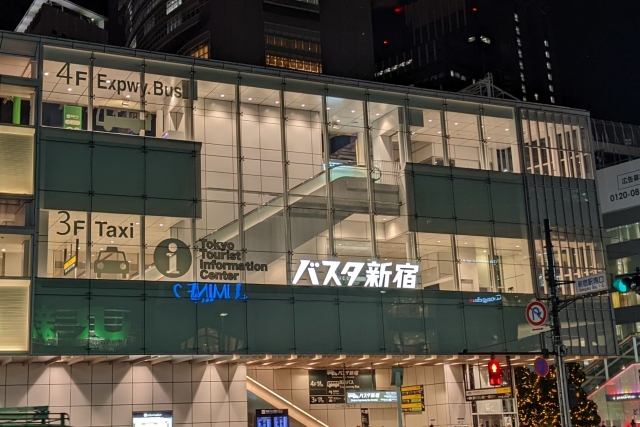
Busta Shinjuku, one of Japan’s largest bus terminals, serves as a gateway to regional Japan, while maintaining the convenience of Shinjuku Station.
- Location: Directly connected to the South Exit of JR Shinjuku Station (immediately after exiting the New South改札. Ask a station attendant if you get lost).
- Floor Configuration:
- 3F: Taxi stands, dedicated floor for highway bus arrivals
- 4F: Highway bus departures, ticket counters, waiting area, commercial facilities
- Facilities:
- Spacious waiting rooms, clean restrooms, convenience stores, cafes, coin lockers, foreign currency exchange machines, tourist information centers, and other facilities sufficient for preparing for your journey.
- Free Wi-Fi is available throughout the terminal, allowing you to spend your time comfortably before departure.
3. Types of Highway Buses and How to Choose: What’s Best for Your Trip?
Highway buses come in various seat types and operating hours. Choose according to your budget, destination, and desired level of comfort.
Seat Types
- 4-row seating:
- This is the most common type and the most affordable.
- Recommended for budget-conscious travelers or relatively short-distance trips. Be aware that privacy might be limited due to close proximity to neighboring seats.
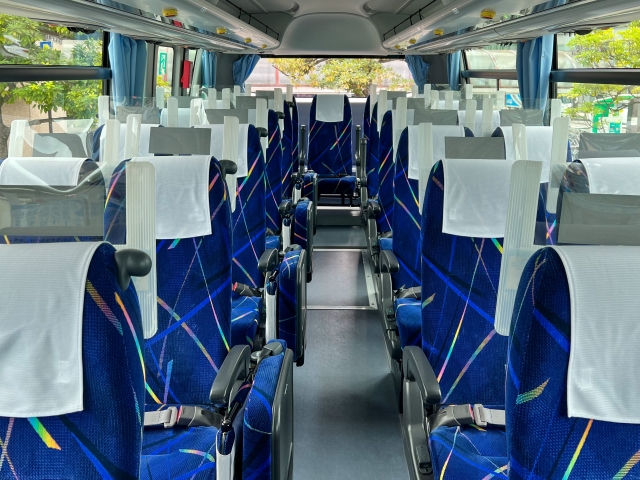
- 3-row independent seating:
- Seats are arranged in three rows and separated by aisles from the seats on either side, offering more privacy than 4-row seating, and deeper recline angles.
- Recommended for those who want to sleep well on an overnight bus or desire a little more comfort.
- 2-row seating (private type):
- Similar to business class on an airplane, seats are arranged in two rows, featuring spacious areas and high privacy. They are fully equipped with footrests, leg rests, partitions, and offer the highest level of comfort.
- For those with a generous budget seeking the best rest even on long-distance journeys.
Operating Hours
- Daytime buses:
- Operate from morning to evening. Recommended for those who want to enjoy the scenery during travel or prefer to rest comfortably in a hotel at night.
- Arrival during the day is also an advantage for planning activities upon arrival.
- Overnight buses:
- Depart in the evening and arrive at your destination the next morning. Ideal for those who want to save on accommodation costs while traveling.
- By sleeping during the journey, you can start sightseeing as soon as you arrive, making effective use of your time.
4. [Important] How to Book and a Thorough Comparison of Booking Sites
Most highway buses require advance booking. Knowing the major booking sites will help you compare options smoothly. All sites support multiple languages.
- WILLER TRAVEL
- Features its own route network, women-only buses, and various concept seats (“Relax” seats, “Cocoon” seats, etc.). Recommended for those who prioritize comfort, especially solo female travelers.
- Comprehensive foreign language support ( English, Traditional Chinese, Simplified Chinese, Korean) makes it easy for international travelers to use.
- Kosokubus.com
- This is a comprehensive search site where you can search and compare buses from multiple companies at once. It’s very convenient for those who want to efficiently find the cheapest bus or one that meets their desired conditions by simply entering the destination and date.
- Rakuten Travel Highway Bus
- The biggest advantage is that you can earn and use Rakuten Points. Recommended for those who regularly use Rakuten Group services.
- JTB Highway Bus
- Operated by the major travel agency JTB, it features a wide range of routes and high reliability. Recommended for those who prioritize peace of mind.
Ken’s Advice:
First, it’s recommended to enter your destination and date into Kosokubus.com to compare prices and options from various bus companies. You’ll likely find the best bus for your trip from a wide range of choices. Once you find a bus that meets your criteria, check the details on the bus company’s official website or WILLER TRAVEL and proceed with your booking. Checking for special campaigns and unique services from each company can also lead to even better deals.
5. Packing List for a Comfortable Bus Trip & Ken’s Insider Tips
Preparing well for a long bus journey is crucial for a comfortable experience.
Essentials
- Identification (passport, etc.): You may be asked to show it when boarding.
- Booking confirmation (printout or smartphone screen): Prepare this for smooth boarding.
- Cash: Keep a small amount for drinks, snacks at rest stops, or emergencies.
- Charger / Mobile battery: Essential for charging your smartphone or tablet.
- Earphones / Headphones: To enjoy music or videos without disturbing others.
- Mask: Useful for preventing dryness, covering your face while sleeping, and for infection control.
Useful Items
- Eye mask / Earplugs: Essential for overnight buses. They block out light and noise, helping you sleep better.
- Neck pillow: Reduces strain on your neck and helps you sleep more comfortably. Inflatable types are convenient for carrying.
- Blanket / Cardigan: The bus interior can sometimes be too cold or too warm, so layered clothing is useful for adjusting to temperature changes.
- Wet wipes / Hand sanitizer: Useful for staying clean after meals or for refreshing yourself.
- Slippers or thick socks: Taking off your shoes and relaxing your feet can alleviate fatigue from long journeys.
- Personal medication: Prepare motion sickness pills, headache medicine, stomach medicine, or any other regular medications you might need.
- Light snacks / Drinks: For long journeys, having light snacks for when you’re hungry and drinks for hydration is reassuring. Choose items with minimal odor.
Ken’s Insider Tips
- Tips for choosing your seat:
- Overnight buses: Rear seats near the restroom may have frequent foot traffic, while front seats might be disturbed by lights and conversations during rest stops. Window seats in the middle tend to be relatively quiet.
- Women-only seats / Women-only safe areas: If you’re a solo female traveler, actively utilize these seat types for a safe journey.
- Attire: Loose, non-restrictive clothing is best. Choose wrinkle-resistant and breathable fabrics, and layer your clothes to adjust to temperature changes.
- Fragrance etiquette: Out of consideration for other passengers, refrain from using strong perfumes or deodorizing sprays.
- Rest stops: Highway buses usually make rest stops every 2-3 hours at service areas. Even a short break to get some fresh air outside and stretch can help you refresh.
6. Main Destinations and Estimated Travel Times from Busta Shinjuku (Examples)
Busta Shinjuku offers buses to a wide variety of destinations, from major cities to tourist spots.
| Destination | Estimated Travel Time | Estimated Fare | Features |
|---|---|---|---|
| Osaka | Approx. 8-10 hours | 3,000-8,000 JPY | Center of the Kansai region. Popular for tourism and business, with attractions like USJ, Dotonbori, and Osaka Castle. |
| Kyoto | Approx. 7-9 hours | 3,000-7,000 JPY | Japan’s ancient capital. Enjoy history and culture with sites like Kiyomizu-dera Temple and Kinkaku-ji Temple. |
| Nagoya | Approx. 5-7 hours | 2,500-6,000 JPY | Hub of the Chubu region. Attractions include Nagoya Castle and LEGOLAND Japan. |
| Kanazawa | Approx. 7-9 hours | 4,000-9,000 JPY | Known as “Little Kyoto” of Hokuriku. Famous for beautiful streets like Kenrokuen Garden and Higashi Chaya District. |
| Sendai | Approx. 5-6 hours | 3,000-7,000 JPY | Tohoku’s largest city. Famous for gyutan (beef tongue) and Matsushima. Enjoy gourmet food and scenic views. |
| Nagano | Approx. 3-4 hours | 2,500-5,000 JPY | Home to Zenko-ji Temple, Kamikochi, skiing, and snowboarding. Rich in nature and history. |
| Mt. Fuji / Fuji Five Lakes | Approx. 2-3 hours | 1,800-3,000 JPY | World Heritage site. Kawaguchiko Lake, Fuji-Q Highland. Ideal for day trips or short getaways. |
The above are estimates only. Fares and travel times can vary significantly depending on the season, bus company, seat type, and booking status. Please check the latest information on each booking site.
Conclusion: Discover New Charms of Japan with Highway Buses!
Highway buses are an excellent and cost-effective way to travel from Tokyo to various regions of Japan.
The convenience, comfort, and above all, the affordable prices far outweigh the “long travel time” drawback, making it a smart travel option not to be overlooked.
Refer to this guide to wisely choose your bus, prepare for a comfortable journey, and fully discover the unexplored charms of rural Japan.
Your trip to Japan is sure to become even richer and more memorable.
Have a great trip!

Comments