
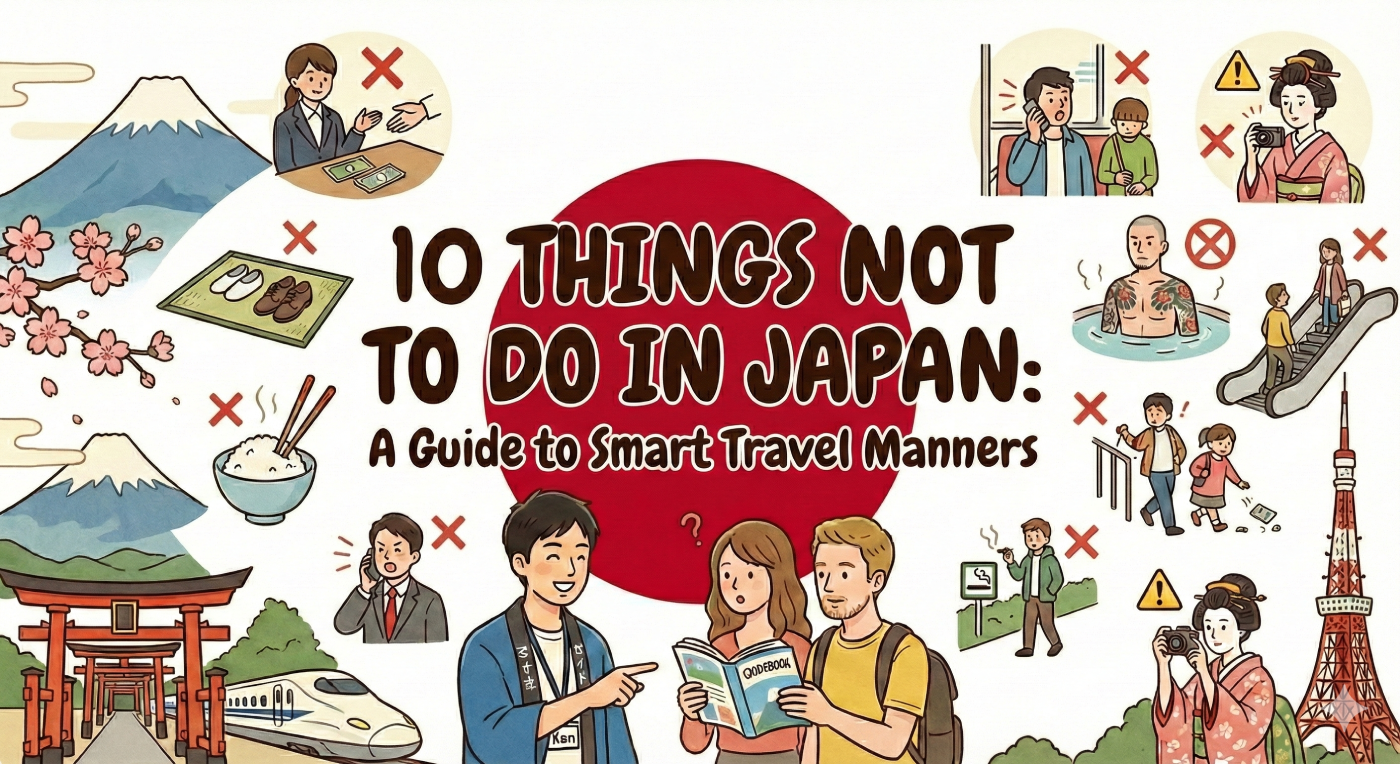
- 【10 Things Not to Do in Japan】A Guide to Etiquette for a Smart Trip
- 1. Dining Etiquette: Chopstick Taboos
- 2. Do Not Leave a Tip
- 3. Phone Calls and Noise on Trains
- 4. Smoking While Walking
- 5. Do Not Litter (The Lack of Trash Cans)
- 6. Tattoos in Onsens and Pools
- 7. Do Not Hand Cash Directly to Staff
- 8. Where to Stand on Escalators
- 9. Check for “No Shoes” Areas
- 10. Be Mindful of “No Photography” Zones
- Ken’s Advice
- Summary
【10 Things Not to Do in Japan】A Guide to Etiquette for a Smart Trip
Hi everyone! I’m Ken, editor-in-chief of Tokyo Insider Guide.
Japan has a culture that places great importance on politeness, and sometimes a casual action can surprise the locals. In 2026, while Japan is becoming increasingly international, the underlying spirit of “Omotenashi” (hospitality) and “consideration for those around you” remains unchanged.
It would be a shame to have a negative experience—or cause one—simply because you weren’t aware of the local manners. In this article, I will introduce “10 Things Not to Do in Japan” that tourists often struggle with. Master these, and you’ll be traveling like a pro!
1. Dining Etiquette: Chopstick Taboos
There are strong taboos regarding the use of chopsticks, many of which are related to Japanese Buddhist funeral rituals.
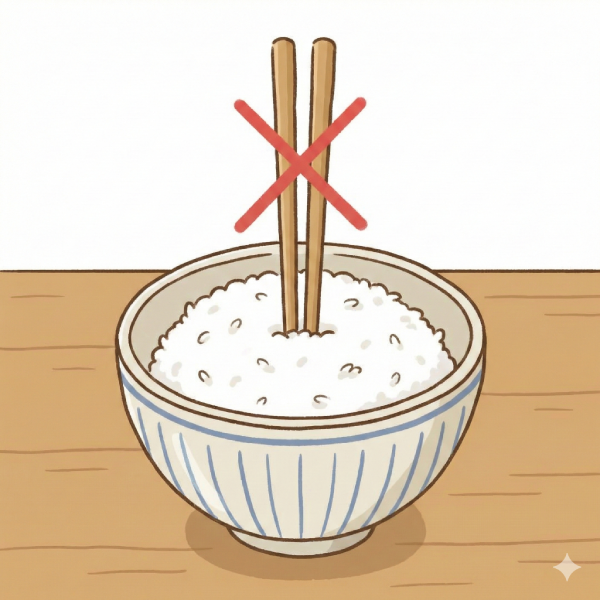
- “Tate-bashi”: Never stick your chopsticks vertically into a bowl of rice. This resembles an offering made at funerals.
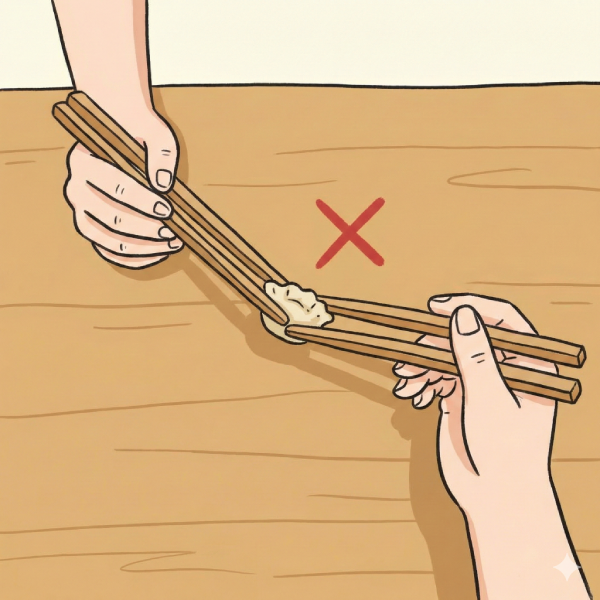
- “Hashi-watashi”: Do not pass food directly from one person’s chopsticks to another’s. This mimics the ritual of collecting a deceased person’s bones after cremation.
2. Do Not Leave a Tip
In Japan, the service charge is already included in the price. If you try to leave a tip at a restaurant or in a taxi, the staff might even chase after you, thinking you forgot your change! Express your gratitude with the phrase “Gochisosama” (Thank you for the meal) instead.
3. Phone Calls and Noise on Trains
Japanese trains are considered public spaces where silence should be maintained.
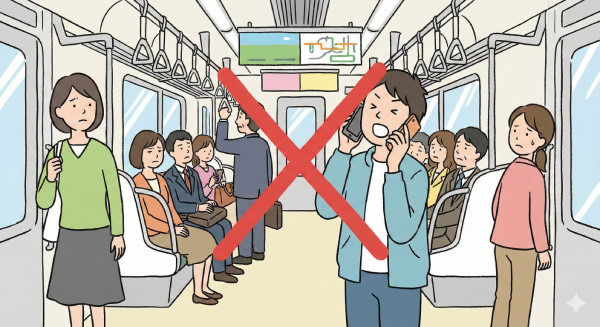
- No Phone Calls: Talking on the phone inside a train is considered very rude. Set your smartphone to “Manner Mode” (silent mode).
- Don’t Speak Loudly: Even when chatting with friends, it is the Japanese way to keep the volume low.
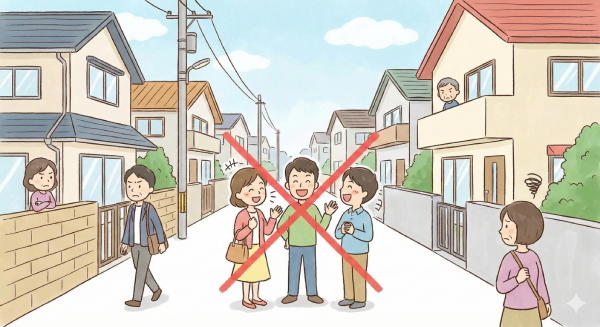
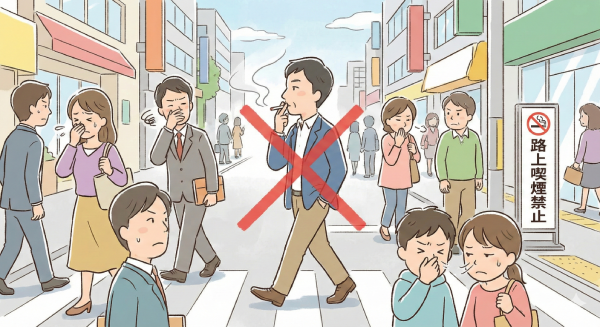
4. Smoking While Walking
In many urban areas like Tokyo, smoking while walking is prohibited by local ordinances. If you want to smoke, always look for a “Designated Smoking Area.” Smoking while walking is seen as very dangerous due to the risk of burns to others.
5. Do Not Litter (The Lack of Trash Cans)
You will notice very few trash cans on the streets of Japan. Yet, the streets are remarkably clean. This is because Japanese people have the habit of taking their trash home. Carry a small bag with you and bring your trash back to your hotel.
6. Tattoos in Onsens and Pools
Traditionally, tattoos in Japan have been associated with organized crime, which is why some hot springs (onsens), public baths, and pools may refuse entry to those with tattoos.
- Solution: Recently, “tattoo-friendly” facilities are on the rise. For small tattoos, you may be allowed entry if you cover them with a waterproof bandage/patch.
7. Do Not Hand Cash Directly to Staff
When paying, instead of handing cash directly to the clerk, place it on the “Carton” (the small tray) provided at the counter. This is for accuracy in counting and for hygiene reasons.
8. Where to Stand on Escalators
It is an unwritten rule to keep one side open for people in a hurry.
- Tokyo: Stand on the Left, leave the right side open.
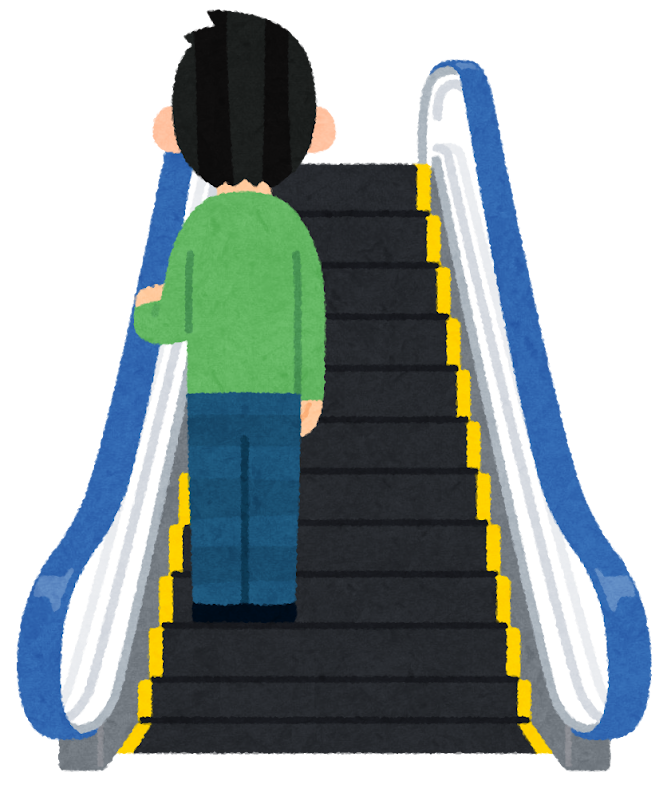
- Osaka: Stand on the Right, leave the left side open.
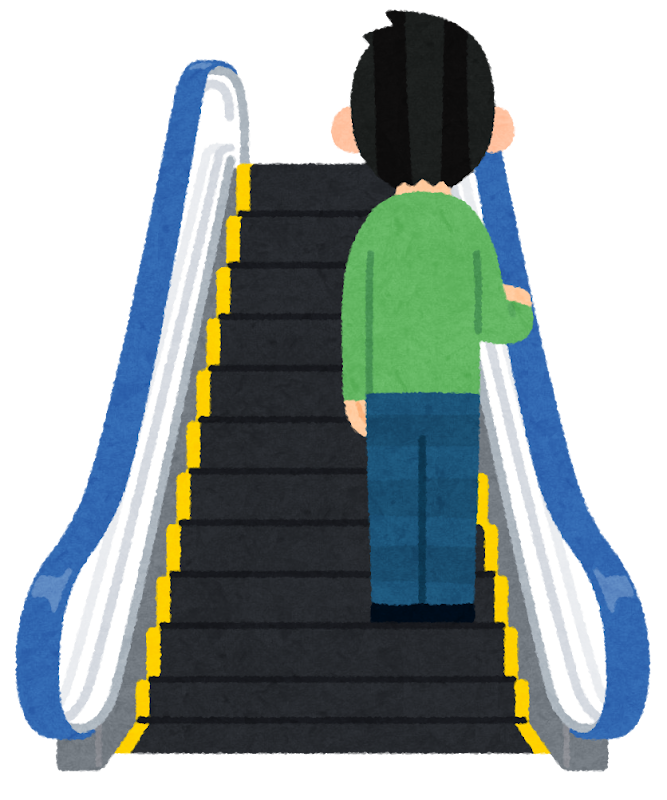
While there are increasing calls to “not walk” on escalators for safety reasons, it is usually smoothest to follow the local flow.
9. Check for “No Shoes” Areas
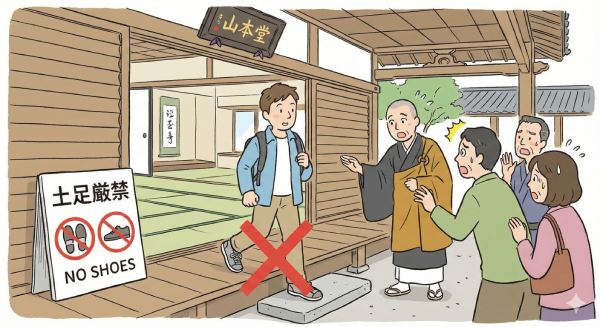
You must remove your shoes at temples, traditional restaurants, ryokans (inns), and private homes. If the floor is raised or slippers are provided, that is your sign to take off your shoes. It is recommended to wear clean socks without holes!
10. Be Mindful of “No Photography” Zones
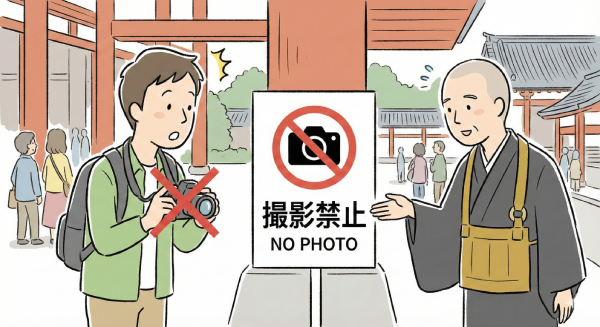
Photography is often prohibited inside shrines, temples, museums, and certain entertainment districts (like Gion in Kyoto). Always check for “No Photography” signs and avoid taking photos of strangers without permission.
Ken’s Advice
I’ve listed many things here, but the most important thing is “showing a spirit of respect” rather than being perfect. If you make a mistake, just say “Sumimasen” (I’m sorry) with a smile, and Japanese people will surely be kind and help you. Don’t overthink it—just enjoy the new culture!
Summary
The key to a successful trip to Japan in 2026 is to be slightly aware of the local rules. From chopstick manners to taking your trash home, following these etiquette points will allow you to experience Japan more deeply and comfortably!

Comments